Fixes might be blogged to help others — your data stays safe.
SnapToFix | How to Remove Linoleum Stains Quickly
How to Remove Linoleum Stains Quickly
Published: 1/8/2026
Removing Linoleum Stains: A Proven Approach
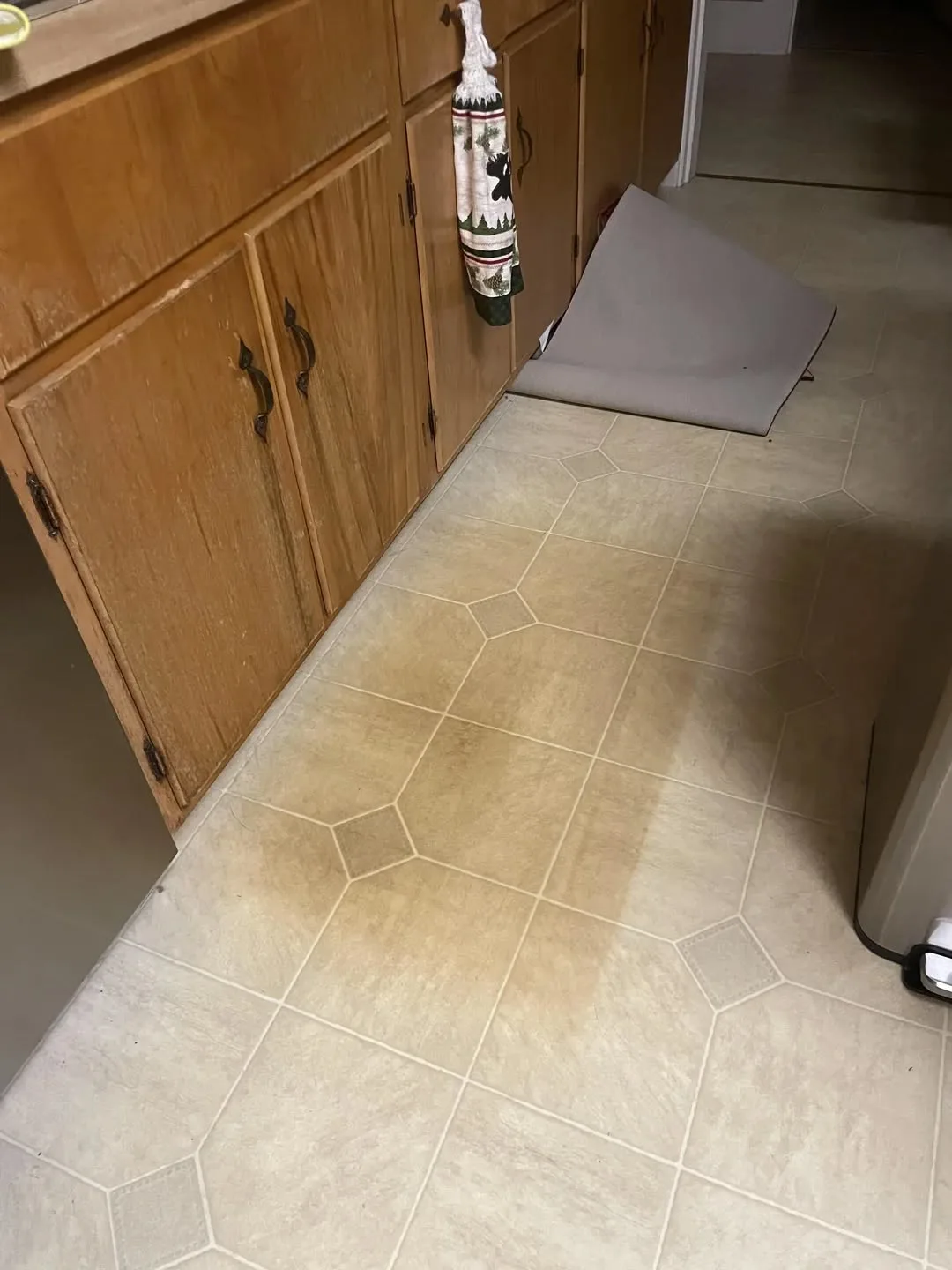
For stubborn linoleum stains, start with the gentlest effective options: sweep and rinse, then try a 1:1 white-vinegar + water spray or a baking-soda paste and scrub gently. For set or porous stains, consider a diluted hydrogen-peroxide treatment or a poultice; avoid undiluted bleach and abrasive pads that can damage the surface. Always test in an inconspicuous spot first.
The Hard Truth: Linoleum stains don’t all respond to the same treatment — picking the wrong cleaner can make the stain worse or damage the floor.
Linoleum (and similar resilient floors like LVT/Vinyl) is common in kitchens and bathrooms — high-traffic areas where spills and stains happen. The good news: many common household stains (coffee, tea, food colorings, minor dyes) can be lifted using pantry ingredients and gentle technique. The catch: surface type, finish, and how long the stain has set greatly affect which method is safe and effective. This guide gives a clear, surface-aware process so you remove stains without damaging your floor.
Quick checklist — what to do before you start
1. Remove loose dirt and debris by sweeping or vacuuming.
2. Blot any fresh liquid stains immediately — don’t rub.
3. Identify the surface: linoleum, vinyl/LVT, laminate or stone? (Linoleum and vinyl behave similarly for many cleaners; stone and wood need special care.)
4. Test any cleaner in an inconspicuous corner for colorfastness and finish reaction. Always wait to see the test area dry before proceeding.
Step 1 — Start with soap, warm water and gentle scrubbing
Before chemicals, try the simplest approach: warm water with a few drops of a mild dish soap and a microfiber cloth or soft sponge. Many surface marks lift with gentle agitation. Rinse and dry the area. If the stain persists, move to the next step.
Step 2 — Vinegar solution (safe first escalate)
What to use: 1 part white vinegar + 3–4 parts warm water in a spray bottle. Lightly spray, let sit 5–10 minutes, then scrub gently with a soft brush or microfiber cloth and rinse. For stronger marks, increase to 1:1 vinegar:water but keep contact time short and rinse well. Vinegar is effective on many tannin-type stains (tea, coffee, food dyes) but avoid prolonged contact on natural stone or waxed surfaces.
Step 3 — Baking-soda paste for physical lifting
What to use: Baking soda + enough water to make a spreadable paste. Apply to the stained area, let sit 10–15 minutes, then gently scrub with a soft brush. Baking soda provides mild abrasion and lifts residues without harsh chemicals. Rinse thoroughly and dry. This method is commonly recommended for tougher kitchen stains and yellowing.
If vinegar and baking soda fail, try a diluted hydrogen peroxide test (3% solution) in a hidden area first. Hydrogen peroxide is an oxidizer that can break down organic pigments (coffee, tea, some dyes). Apply small amounts, let sit briefly, then rinse. Don’t leave peroxide on the floor long and avoid on unsealed stone or colored vinyl without testing — it may lighten the finish.
When to use a poultice (porous or set stains)
For stains that have penetrated or on porous surfaces (old linoleum, grout, or damaged finish), a poultice can draw the pigment out:
* Make a paste: baking soda + hydrogen peroxide (thicker than normal paste).
* Spread ¼–½ inch thick over the stain, cover with plastic wrap, tape edges, and leave 12–24 hours.
* Remove, rinse, and repeat once if needed.
Poulticing is slower but safer for embedded stains than aggressive scrubbing. For valuable or delicate floors, consult a pro first.
Surface-by-surface treatment guide
Linoleum & vinyl/LVT
Use soap, vinegar solution, baking-soda paste, then diluted peroxide if needed. Avoid harsh scouring and prolonged caustic exposure. If manufacturer guidance is available, follow it first.
Laminate
Laminate is more sensitive — try soap & water and the vinegar spray (lightly). Avoid peroxide and abrasives that can remove the laminate layer.
Natural stone (marble, travertine)
Do not use vinegar or peroxide without expert advice. Stone etches with acids — use stone-safe products or call a stone restorer.
Grout
Grout is porous. Try the peroxide + baking-soda poultice or a commercial grout cleaner. If color persists, grout pens or regrouting may be better than endless scrubbing.
Commercial cleaners & stronger options
If home methods fail, consider:
* Oxi-based cleaners (OxiClean) for organic stains — apply per label and rinse well.
* Vinyl/linoleum floor cleaners from trusted brands (follow dilution instructions).
* Spot color removers marketed for dye — read compatibility and test first.
Never mix cleaners (e.g., bleach + ammonia or bleach + peroxide) — toxic gases or damage can result.
Safety & testing — non-negotiables
* Always test cleaners in an inconspicuous area and wait for it to dry before judging results.
* Use gloves and ventilate when using peroxide or commercial solvents.
* Avoid steel wool, heavy scrapers, or power buffers unless a professional recommends them — they can remove the protective finish.
* If the floor shows surface change or dulling, stop and call a pro.
Prevent stains — small habits that make a big difference
* Clean spills immediately — blot, then rinse.
* Place mats or runners in high-traffic and prep areas (kitchens).
* Use cutting boards and avoid dragging heavy objects across the floor.
* Maintain a regular cleaning schedule to prevent buildup that traps stains.
Troubleshooting & when to give up
* If a stain persists after 2–3 methods, it may be embedded under a damaged finish — a refinish or professional restoration could be needed.
* If cleaning causes visible finish damage (dulling, color change), stop immediately and contact a flooring professional — repairs are less expensive than a full replacement in some cases.
Frequently Asked Questions
What causes linoleum stains?
Spills (coffee, tea, food dyes), tracked-on dirt, pet accidents, or chemical spills can discolor linoleum — and leaving them in place allows pigments to set and bond to the surface layer.
Can I use bleach on linoleum?
Bleach can clean and disinfect but is harsh and may discolor or weaken resilient flooring if used undiluted or repeatedly. Use diluted bleach only according to product guidance and manufacturer recommendations, and test first.
Will vinegar damage linoleum?
Diluted vinegar solutions are widely used and safe for many linoleum/vinyl floors if used briefly and rinsed. Avoid vinegar on natural stone and waxed finishes. Always test first.
How do I remove yellowing from linoleum?
Yellowing often responds to baking-soda paste, diluted peroxide, or specialty cleaners; persistent yellowing may indicate oxidation or aging of the floor and could require polishing or replacement.
When should I call a pro?
Call a pro if stains are large, old, embedded, or if DIY cleaning changes the finish. Professionals can evaluate if refinishing, recoating, or targeted restoration is the right solution.
Repair Insights
Keywords: linoleum stains, floor cleaning, stain removal, linoleum care, home maintenance, linoleum cleaning, DIY floor care, household stain solutions, linoleum maintenance