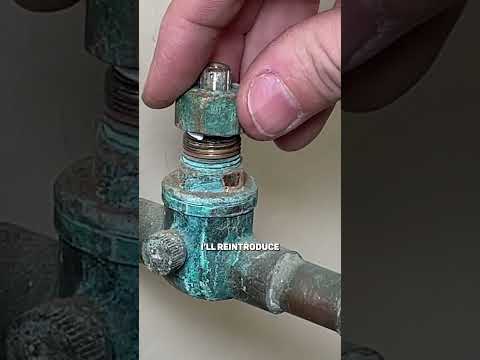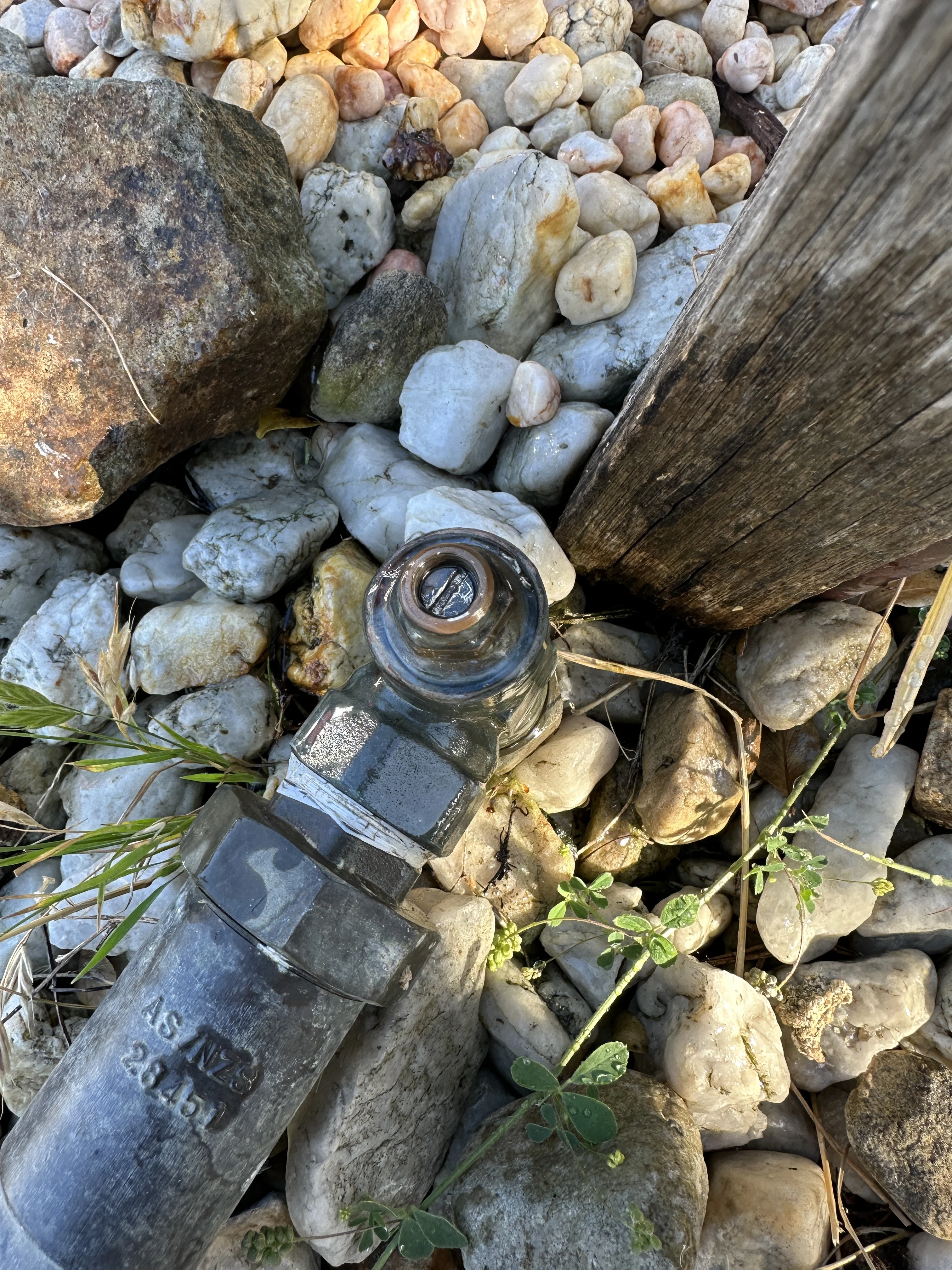
Leaking Water Valve on Rocky Ground
The image shows a water valve on rocky ground with signs of leakage. The valve appears to be damaged or malfunctioning, causing water to escape.
Key Takeaways
- Inspect valves regularly to prevent leaks.
- Check for signs of wear and tear on valve components.
- Ensure proper installation to avoid leaks.
- Consider replacing old or damaged valves.
- Monitor water pressure to prevent valve damage.
The Professional Reality
The valve in the image shows signs of leakage, with water droplets visible on the surrounding rocks. The valve's connection to the pipe appears secure, but the leak suggests a potential issue with the valve itself or the pipe's integrity. The rocky ground may have contributed to the valve's damage. A thorough inspection is necessary to determine the cause.
Implementation Guide
To address the leaking valve:
1. Turn off the water supply: Locate the shut-off valve and turn it clockwise to stop the water flow.
2. Inspect the valve: Examine the valve and pipe for signs of damage or wear.
3. Replace or repair: Depending on the extent of the damage, replace the valve or repair it if possible.
4. Test the valve: Turn on the water supply and check for leaks.
The key takeaway is to act promptly to prevent further damage.
Learn more about valve maintenance
The Practitioner’s Reality Check
The Counter-Intuitive Insight: Many assume that a small leak is harmless, but it can lead to significant issues over time.
The Common Trap: Failing to inspect valves regularly can result in costly repairs and potential safety hazards.
Frequently Asked Questions
What are the common causes of a leaking valve?
Common causes include wear and tear, improper installation, and damage from external factors.
How can I prevent valve leaks?
Regular inspections, proper installation, and monitoring water pressure can help prevent leaks.
What are the risks of ignoring a leaking valve?
Ignoring a leak can lead to water damage, erosion, and safety hazards.
Can I repair a leaking valve myself?
Depending on the extent of the damage, you may be able to repair it yourself, but it is recommended to consult a professional.
How often should I inspect my valves?
Valves should be inspected regularly, ideally every 6-12 months, or as recommended by the manufacturer.
What are the signs of a failing valve?
Signs include visible leaks, reduced water pressure, and unusual noises.
Expert Citations
According to a 2024 report by the American Water Works Association, regular valve maintenance can reduce water loss by up to 20%. A study by the National Association of Home Builders in 2025 found that improper valve installation is a leading cause of water damage. The Plumbing-Heating-Cooling Contractors Association recommends inspecting valves every 6 months to ensure optimal performance.