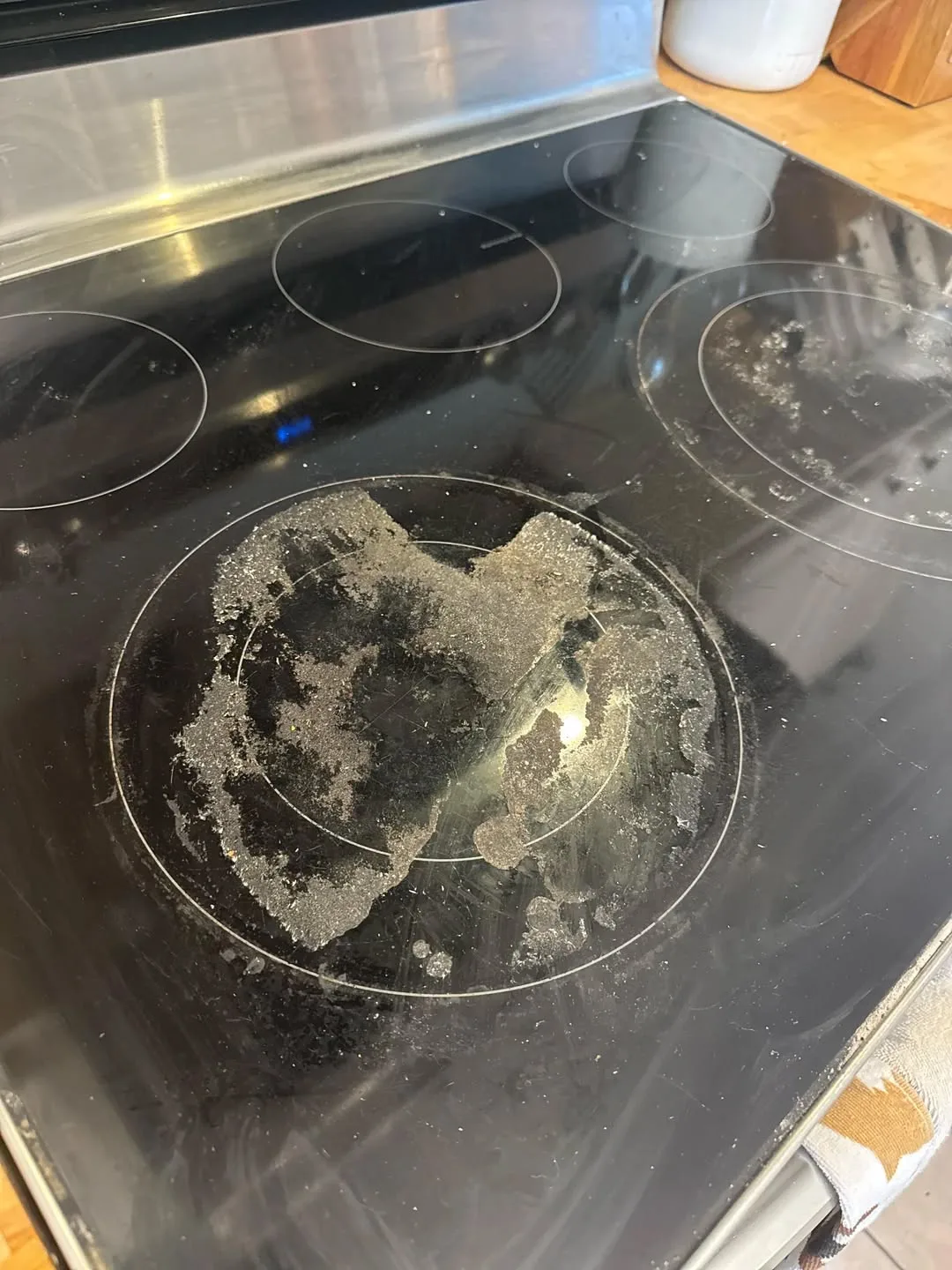
Cleaning Glass Stovetops: A Step-by-Step Guide
To clean a glass stovetop, wait for it to cool completely, then spray with a vinegar-water solution and wipe with a microfiber cloth for daily maintenance. For burnt-on stains, create a paste with baking soda and water, apply to the stained area, cover with a hot damp towel for 15-30 minutes, then scrub with a non-abrasive sponge. For stubborn residue, use a razor blade scraper at a 45-degree angle. Always finish by buffing with a dry microfiber cloth for a streak-free shine.
Safety First: Preparing Your Stovetop for Cleaning
Let It Cool Completely
This cannot be overstated—never attempt to clean a hot or even warm glass stovetop. Here's why this matters: Safety hazard: Hot surfaces cause burns. Glass stovetops retain heat long after you turn them off, sometimes for 30-45 minutes. Ineffective cleaning: Grease and oil spread when heated rather than lift off. Cleaning solutions evaporate instantly on hot surfaces, preventing them from breaking down grime. Risk of thermal shock: Applying cold liquids to a hot glass surface can cause cracking or shattering in extreme cases. Visual indicator: Most glass stovetops have a "hot surface" light. Wait until this indicator turns off, then wait an additional 10-15 minutes to ensure complete cooling. If you can comfortably hold your hand an inch above the surface for several seconds, it's ready for cleaning.Clear the Cooking Surface
Remove any debris: Start by clearing the stovetop of pots, pans, utensils, and any loose food particles. Use a dry paper towel or soft cloth to wipe away crumbs, loose debris, or dried food bits. This prevents you from grinding particles into the glass during cleaning, which could cause scratches. Check for damage: While clearing the surface, inspect for any cracks, chips, or deep scratches. If you find cracks, avoid getting moisture in them, as this can lead to further damage or electrical issues. Cracked stovetops should be professionally assessed before continued use.Choosing the Right Cleaning Solution
For Daily Maintenance: Vinegar-Water Solution
White vinegar is a natural degreaser and glass cleaner that works beautifully on glass stovetops for everyday cleaning. What you need: * Equal parts white vinegar and water * Spray bottle * Microfiber cloths (2-3) Why it works: Vinegar's acidity cuts through grease and dissolves mineral deposits without leaving streaks. Unlike commercial cleaners, it leaves no chemical residue that could burn onto your cooking surface. Process: 1. Mix equal parts vinegar and water in a spray bottle 2. Spray generously across the cool stovetop surface 3. Let sit for 1-2 minutes to break down grease 4. Wipe with a damp microfiber cloth using circular motions 5. Buff dry with a clean, dry microfiber cloth to eliminate streaks Pro tip: For extra shine, use straight vinegar on a microfiber cloth for the final buff.For Tough Stains: Baking Soda Paste
Baking soda is a mild abrasive that lifts stubborn stains without scratching glass surfaces. This is your go-to method for burnt-on food, sugar spills, and those persistent rings around burners. What you need: * Baking soda (½ to 1 cup) * Water * Bowl for mixing * Old towels or rags * Hot water * Non-abrasive sponge or microfiber cloth Why it works: Baking soda's slightly gritty texture provides gentle scrubbing power, while its alkaline nature helps break down burnt organic matter. When combined with heat and moisture from a damp towel, it creates a powerful stain-lifting treatment. The Hot Towel Method (Most Effective): 1. Sprinkle a generous layer of baking soda across the entire stovetop, concentrating on stained areas 2. Lightly mist the baking soda with water from a spray bottle—just enough to dampen it slightly 3. Soak an old towel in very hot water (not boiling) and wring out excess 4. Lay the hot, damp towel over the baking soda-covered surface 5. Let sit for 15-30 minutes (longer for severe stains) 6. The heat and moisture will soften burnt-on residue 7. Remove the towel and use it to wipe up the baking soda, which will have absorbed the grime 8. For remaining spots, make a paste with baking soda and water, apply directly, and scrub gently with a non-abrasive sponge 9. Rinse thoroughly with clean water 10. Dry and buff with a microfiber cloth Standard Paste Method: 1. Mix 3 tablespoons of water with ½ cup baking soda to create a thick paste 2. Apply the paste directly to stained areas 3. Let sit for 15-20 minutes 4. Scrub gently with a damp non-abrasive sponge using circular motions 5. Wipe clean with a damp cloth 6. Rinse and dry thoroughlyCommercial Glass Stovetop Cleaners
While not necessary for most cleaning tasks, commercial ceramic cooktop cleaners like Weiman, Cerama Bryte, or Barkeeper's Friend can be effective for severe stains or regular maintenance. When to use them: * Extremely stubborn burnt-on stains that resist baking soda * Cloudy residue or hard water stains * Polishing and protecting the surface * Removing scratches' appearance (they don't actually remove scratches, but can make them less visible) How to use: 1. Follow product-specific instructions 2. Apply a small amount to the cool stovetop 3. Spread with a non-abrasive pad in circular motions 4. Let sit for recommended time (usually 10-15 minutes) 5. Buff with paper towels or microfiber cloth 6. Final polish with a dry cloth Cost consideration: A bottle of commercial cleaner costs $8-15 and lasts months, while baking soda costs $2-3 for a year's supply. For most people, baking soda delivers equal or better results at a fraction of the cost.What to AVOID
Avoid harsh chemicals: Products containing bleach, ammonia, or other caustic substances can damage the glass surface, leave residue that burns during cooking, or create discoloration. They can also damage the seals around burners. Skip abrasive materials: Steel wool, scouring pads, abrasive brushes, and gritty cleansers will permanently scratch your glass stovetop. Once scratched, the surface becomes more prone to staining and harder to clean. Never use: Oven cleaner, chlorine bleach, glass cleaner with ammonia, or all-purpose cleaners not designed for cooktops.The Cleaning Process: Step-by-Step Instructions
Quick Daily Clean (2-3 Minutes)
Do this after every cooking session to prevent buildup: 1. Cool down: Wait for stovetop to cool completely 2. Spray: Apply vinegar-water solution across surface 3. Wipe: Use damp microfiber cloth in circular motions to lift grease and food particles 4. Dry: Buff with dry microfiber cloth to prevent water spots 5. Inspect: Check for any spots you missed This daily routine prevents the buildup that leads to tough, baked-on stains.Weekly Deep Clean (15-20 Minutes)
Even with daily cleaning, weekly deep cleaning keeps your stovetop in optimal condition: 1. Apply baking soda: Sprinkle generously across entire surface 2. Hot towel treatment: Follow the hot towel method described above 3. Scrub stubborn spots: Use baking soda paste on any remaining stains 4. Vinegar rinse: Spray with vinegar-water solution to neutralize baking soda residue 5. Final wipe: Remove all residue with damp cloth 6. Dry and polish: Buff thoroughly with dry microfiber clothRemoving Extremely Stubborn Burnt-On Stains
For those nightmare stains that resist even baking soda treatment, you need to bring out the heavy artillery—but use it carefully. Using a Razor Blade Scraper A razor blade scraper is safe for glass stovetops when used correctly. Many people fear scratching, but held at the proper angle, a razor is one of the most effective tools for burnt-on residue. What you need: * Razor blade scraper designed for cooktops (available at hardware stores for $5-10) * Vinegar spray * Non-abrasive sponge * Microfiber cloth Critical technique points: 1. Always check manufacturer's guidelines first—some warranties may be voided by razor blade use 2. Surface must be cool and slightly damp—spray with vinegar first 3. Hold at 45-degree angle—never perpendicular to the surface 4. Use only the flat cutting edge—never corners or sides of the blade 5. Apply light, even pressure—let the blade do the work 6. Short, controlled strokes—work in one direction, then another 7. Keep blade flat against surface—tilting causes scratching Process: 1. Spray stubborn burnt-on area with vinegar 2. Hold razor blade scraper at a 45-degree angle 3. Using light pressure, push the blade across the burnt residue in short strokes 4. Work from edges of the burn toward the center 5. Wipe away loosened debris frequently 6. Repeat as needed until residue is removed 7. Clean area with baking soda paste to remove any remaining residue 8. Wipe clean, rinse, and dry When NOT to use a razor: * On hot surfaces (can melt plastic handle or warp blade) * With corners or edges of blade touching glass * With excessive pressure * If manufacturer specifically prohibits itSpecial Stains and How to Remove Them
Burnt Sugar or Candy: These create hard, glassy residue that's particularly stubborn. Use the hot towel baking soda method, letting the towel sit for 30-45 minutes. Follow with careful razor scraping if needed. Burnt Milk or Cream: Creates crusty white residue. Spray with vinegar, let sit 10 minutes, then apply baking soda paste. The acid-base reaction helps break it down. Oil and Grease Splatters: Daily vinegar cleaning prevents these from building up. For heavy grease, add a drop of dish soap to your vinegar solution. Hard Water Spots or Cloudiness: These mineral deposits respond well to straight vinegar. Spray generously, let sit 10 minutes, then wipe. For severe cloudiness, commercial cooktop polish works best. Melted Plastic: Turn off heat immediately. Once cool, use a razor scraper at 45 degrees to gently peel away plastic. Follow with baking soda paste to remove residue. Never try to wipe away hot melted plastic—it will spread and worsen. Use a non-abrasive sponge: Avoid using abrasive materials like steel wool or scrubbers, as they can scratch the glass surface and create permanent damage that traps dirt. Rinse the sponge frequently: During scrubbing, rinse your sponge or cloth often to prevent re-depositing dirt onto the stovetop. Clean water in a bowl nearby makes this easy. Dry the stovetop thoroughly: This is the most overlooked step. Use a microfiber cloth to dry the stovetop completely and prevent water spots. Hard water especially leaves mineral deposits when allowed to air dry. Proper drying also reveals any spots you might have missed, allowing you to address them immediately.Comparing Your Cleaning Options
| Cleaning Solution | Effectiveness | Ease of Use | Cost | Environmental Impact | Best For |
|---|---|---|---|---|---|
| Baking Soda Paste | 9/10 | 8/10 | $2-3/year | Low | Burnt-on stains, weekly deep cleaning |
| Vinegar-Water | 7/10 | 10/10 | $3-5/year | Low | Daily maintenance, light grease |
| Commercial Cooktop Cleaner | 9/10 | 9/10 | $8-15/bottle | Medium | Severe stains, polishing, hard water |
| Dish Soap & Water | 6/10 | 10/10 | $3-5/year | Low | Fresh spills, light cleaning |
| Razor Blade Scraper | 10/10 | 6/10 | $5-10 one-time | N/A | Extremely stubborn burnt-on residue |
| Harsh Chemicals | 4/10 | 5/10 | $8-12/bottle | High | AVOID—damages surface |
The Practitioner's Reality Check
Preventing Stains and Keeping Your Stovetop Pristine
Daily Habits That Make a Difference
Clean after every use: Once the stovetop cools (15-20 minutes after cooking), do a quick wipe-down with vinegar-water solution. This two-minute habit prevents 90% of stubborn stain formation. Address spills immediately (once cool): Don't wait for that marinara splatter or boiled-over milk to harden. Wipe it up during your post-cooking cleanup routine. Use proper-sized cookware: Pots and pans that extend beyond the burner area are more likely to have contents spill onto the cooktop. Match pan size to burner size. Avoid dragging cookware: Lift pots and pans rather than sliding them across the glass. Dragging can scratch the surface, especially if there's debris on the bottom of cookware or the stovetop. Check cookware bottoms: Before placing pots or pans on your glass stovetop, wipe the bottom to ensure no food debris, grease, or residue will transfer to the cooking surface.Weekly Maintenance
Deep clean weekly: Even with daily wipe-downs, perform a thorough baking soda treatment once a week to address any buildup you might have missed. Inspect for damage: Check for scratches, chips, or cracks that might need professional attention. Clean burner rings: The metal rings around burners can accumulate residue. Remove if possible and clean separately with soapy water.Smart Cooking Practices
Use lids when boiling: This prevents boil-overs and reduces splatters that can burn onto the hot surface around active burners. Adjust heat appropriately: Excessive heat causes more splattering and increases the likelihood of burnt-on messes. Monitor cooking: Stay present while cooking to catch boil-overs before they cascade onto the stovetop. Use back burners for messy dishes: Position pots with splatter-prone contents on back burners to minimize visible mess.Choosing the Right Cookware
Flat-bottomed pans: These provide even heat distribution and prevent hot spots that can burn food residue onto the glass. Smooth-bottomed cookware: Avoid pots and pans with rough or damaged bottoms that can scratch your stovetop. Clean cookware exteriors: Grease and residue on the outside of pots and pans transfers to your stovetop. Keep cookware exteriors clean. Stainless steel or enameled cast iron: These work beautifully on glass stovetops. If using traditional cast iron, exercise extra care when moving it.Troubleshooting Common Glass Stovetop Problems
Streaks That Won't Go Away
Cause: Usually from improper drying, hard water, or residue from cleaning products. Solution: Use distilled water for final rinse, ensure thorough drying with microfiber cloth, and buff in circular motions until surface is completely dry.Cloudiness or Haze
Cause: Mineral deposits from hard water or residue from cleaning products. Solution: Apply straight vinegar, let sit 10 minutes, wipe clean, and buff dry. For severe cloudiness, use commercial cooktop polish.Discoloration or Rainbow Effect
Cause: Heat-induced changes in the glass or mineral deposits. Solution: Often permanent, but commercial cooktop polishes can reduce appearance. Prevention is key—clean regularly and avoid overheating.Scratches
Cause: Abrasive materials, dragging cookware, or debris trapped under pots. Solution: Scratches cannot be removed, but cooktop polish can make them less visible by filling them slightly and improving light reflection.Burnt-On Ring Around Burner
Cause: Spills that burned onto hot surface during cooking. Solution: Hot towel baking soda method followed by razor scraping if needed. Prevention: wipe up spills promptly after each cooking session.Frequently Asked Questions
What is the best way to remove stubborn stains from a glass stovetop?
The hot towel baking soda method is most effective: sprinkle baking soda on the stain, cover with a hot damp towel for 15-30 minutes, then scrub with a non-abrasive sponge. For extremely stubborn burnt-on residue, use a razor blade scraper held at a 45-degree angle after softening with vinegar.
Can I use vinegar to clean my glass stovetop?
Yes, vinegar is excellent for glass stovetops. Mix equal parts white vinegar and water in a spray bottle for daily cleaning. Vinegar cuts through grease, dissolves mineral deposits, and leaves a streak-free shine without harmful chemicals.
Is it safe to use a razor blade on a glass stovetop?
Yes, when used correctly. Hold the razor blade scraper at a 45-degree angle, use light pressure, and work on a cool, slightly damp surface. Never use the corners or edges of the blade, and always check your manufacturer's guidelines first. Some warranties may be voided by razor blade use.
How often should I clean my glass stovetop?
Clean after every use with a vinegar-water solution (takes 2-3 minutes). Perform a deep clean with baking soda weekly. This routine prevents stubborn stains from forming and keeps your stovetop pristine with minimal effort.
What should I avoid when cleaning a glass stovetop?
Never use abrasive materials (steel wool, scouring pads, Magic Erasers), harsh chemicals (bleach, ammonia), or clean while the surface is hot. Avoid dragging cookware across the surface and never use the corners of a razor blade.
Can I use baking soda on my glass stovetop every day?
While safe, daily baking soda use isn't necessary. Reserve baking soda for weekly deep cleaning or specific stains. For daily maintenance, vinegar-water solution is more efficient and prevents unnecessary scrubbing.
Why does my glass stovetop look cloudy or hazy?
Cloudiness typically results from hard water mineral deposits or cleaning product residue. Spray with straight vinegar, let sit 10 minutes, then wipe and buff thoroughly. For persistent cloudiness, use a commercial cooktop polish.
How do I remove burnt sugar from a glass stovetop?
Burnt sugar creates hard, glassy residue. Use the hot towel baking soda method with extended soaking time (30-45 minutes). If residue remains, carefully use a razor blade scraper at 45 degrees once the area is cool and damp.
Is commercial glass stovetop cleaner worth it?
For most cleaning tasks, no. Baking soda and vinegar deliver equal or better results at a fraction of the cost. Commercial cleaners are worth considering for severe hard water stains, polishing, or making scratches less visible.
Can scratches on a glass stovetop be repaired?
Scratches cannot be removed, but their appearance can be minimized. Commercial cooktop polishes fill scratches slightly and improve light reflection, making them less noticeable. Prevention is key—never use abrasive materials or drag cookware.
What's the white residue on my glass stovetop?
White residue is typically burnt milk, cream, or hard water deposits. For burnt dairy, spray with vinegar and apply baking soda paste. For hard water spots, use straight vinegar or a commercial cooktop cleaner.
How long should I wait before cleaning my glass stovetop after cooking?
Wait until the stovetop is completely cool—typically 30-45 minutes after turning off the burner. Most stovetops have a "hot surface" indicator light. Wait until it turns off, then wait an additional 10-15 minutes to ensure safe, effective cleaning.


