Fixes might be blogged to help others — your data stays safe.
How to Fix a Broken Fridge Door – Step-by-Step DIY Guide
Published: 1/8/2026
Fixing a Broken Fridge Door: A Step-by-Step Guide
To fix a broken fridge door, first identify the issue — whether it’s a damaged handle, bent hinges, worn door seal, or misalignment. Tighten or replace hinges, clean or replace the gasket, and adjust alignment so the door closes flush and seals tightly. Many fixes can be done with basic tools and troubleshooting steps before calling a professional.
The Hard Truth: A broken fridge door can lead to increased energy bills and compromised food safety.
A fridge door that won’t close or seal properly isn’t just inconvenient — it wastes energy and puts your food at risk of spoilage. Fortunately, many common door issues can be diagnosed and fixed with simple troubleshooting steps and basic tools. Whether your fridge’s handle, seal, or hinge alignment is to blame, understanding the problem helps you pick the right solution. In this guide, we’ll walk through practical steps for fixing a broken fridge door so your appliance works efficiently again.
Assess the Damage
The first step is a careful inspection of your fridge door. Common causes of a broken or malfunctioning fridge door include:
* Worn or damaged gasket (door seal) that fails to stick tightly to the frame, letting cold air escape
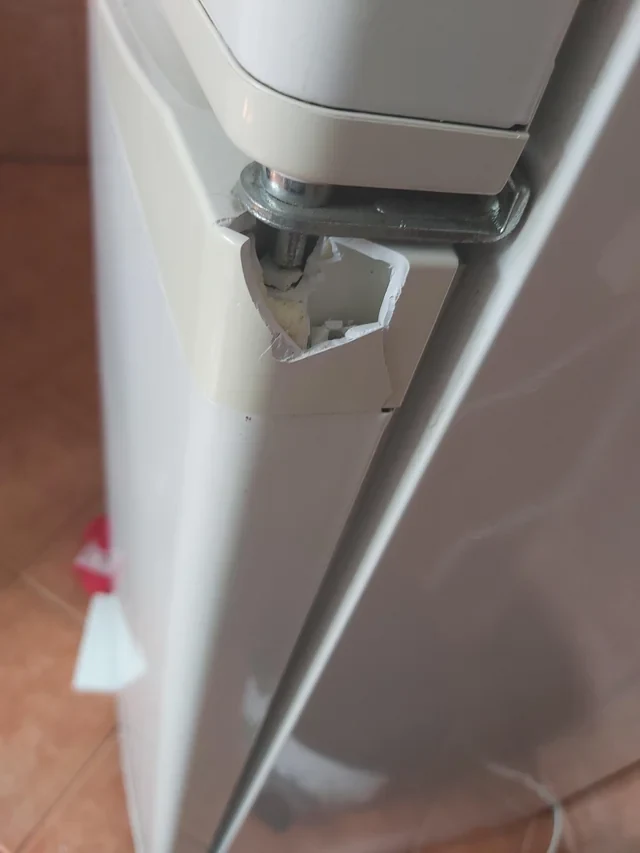
* Loose or bent hinges that misalign the door, preventing proper closure
* Obstructions inside the fridge (like oversized containers or misaligned shelves) that block the door
* Damaged handle or trim components that interfere with normal operation.
Start by looking along the edge of the fridge for gaps where the seal doesn’t meet the cabinet. Also check whether the door appears crooked or sagging, which often points to hinge wear or misalignment.
Learn more about preventive fridge maintenance to keep your appliance running smoothly.
Fix or Replace the Door Seal
A common reason fridge doors don’t close properly is a faulty gasket (rubber seal). A compromised seal lets cold air escape, increasing energy use and reducing cooling efficiency.
Steps to Fix the Seal:
1. Clean the gasket: Warm soapy water and a soft cloth can remove debris and grime that prevent sealing.
2. Inspect for damage: Look for cracks, tears, or brittleness. If the seal is worn out, it should be replaced.
3. Dollar-bill test: Close a dollar bill in the door seal. If it slides out easily, the gasket isn’t sealing tightly.
4. Restore flexibility: For slightly stiff seals, warming with a hair dryer on low heat and gently reshaping can help.
A snug, clean gasket ensures a tight seal and prevents cold air loss and moisture buildup.
Adjust Hinges and Alignment
Fridge doors that are misaligned or sagging often fail to seal, even with a good gasket. A shaky or bent hinge can be the culprit.
How to Adjust:
* Tighten hinge screws: Loose screws allow the door to lean or sag. Tightening them can realign the door.
* Level the fridge: Uneven flooring can affect door alignment. Use adjustable fridge feet to level the appliance.
* Reposition the door: Some models allow removing the set screw on the hinge and using an adjustment screw or tool to raise/lower the door before locking it back in place.
* Replace worn hinges: If the hinge itself is bent or worn, replacement parts may be needed.
Once aligned, your fridge door should close flush with the frame and create a solid seal.
Fix Obstructions and Interior Issues
Sometimes the problem isn’t the door itself — it’s what’s inside it. Items that extend past the fridge edges, overstuffed shelves, or poorly positioned bins can physically block the door from closing.
Steps:
* Clear or rearrange large items inside the fridge or on door shelves
* Ensure baskets and drawers are properly seated and not protruding
* Test the door after adjustments
Even simple clearance fixes can make a big difference in how securely your fridge door closes.
The Trade-Off Matrix
Weigh the pros and cons before choosing your approach — start with DIY steps if the fix is straightforward, but call in experts if electrical or internal components are involved.
Variable
DIY Repair
Professional Repair
Cost
Low
High
Time
Longer
Faster
Tools
Basic
Specialist tools
Complexity
Simple–Medium
Medium–High
The Practitioner’s Reality Check
The Counter-Intuitive Insight: Many fridge door problems aren’t serious mechanical failures — they’re simple issues like dirty seals or loose hinges that anyone can address.
The Common Trap: Ignoring a broken or misaligned fridge door leads to wasted energy, higher bills, and accelerated wear on the compressor. Addressing it promptly not only fixes the problem but extends your appliance’s lifespan.
Frequently Asked Questions
How do I know if my fridge door is actually broken?
If the door doesn’t close flush, there are gaps around the edges, or you see increased frost or energy use, inspect the seal, hinges, and interior obstructions to identify the underlying cause.
Why won’t my fridge door seal properly even after cleaning the gasket?
If cleaning doesn’t help, the gasket may be worn, hardened, or cracked and will likely need replacement.
Can leveling the fridge fix the door issue?
Yes — if the fridge isn’t level, the door may sag and fail to seal. Adjust the feet until the fridge is balanced. ([Hoffmann Brothers][3])
When should I call a professional for fridge door repair?
If alignment adjustments, hinge tightening, and gasket replacement don’t resolve the issue, or if internal components seem damaged, consult a qualified appliance technician.
Repair Insights
Keywords: fix broken fridge door, fridge door repair, broken fridge handle, fridge door hinge, refrigerator door seal, DIY fridge repair, fridge door alignment, fridge door latch