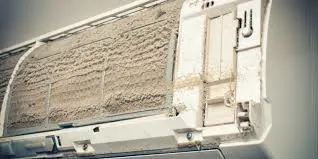
Dirty AC Filter: Signs, Risks, and How to Fix It Fast
A dirty AC filter restricts airflow, forces your system to work harder, and circulates dust and allergens through your home. If your filter looks gray, clogged, or covered in debris, it should be replaced immediately to restore air quality and system efficiency.
What a Dirty AC Filter Really Means
An AC filter is designed to trap:
* Dust and dirt
* Pet hair and dander
* Pollen and allergens
* Mold spores
* Construction debris
Over time, these particles clog the filter. When airflow is restricted, your HVAC system must work harder to push air through, leading to inefficiency and damage.
Signs Your AC Filter Is Dirty
Common symptoms include:
* Weak airflow from vents
* AC running longer than usual
* Uneven cooling across rooms
* Increased dust on furniture
* Musty or stale odors
* Higher electricity bills
A simple visual check is often enough — if you can’t see light through the filter, it’s too dirty.
Health Risks of a Dirty AC Filter
A clogged filter doesn’t just affect comfort — it affects health.
Dirty filters can:
* Circulate allergens and irritants
* Worsen asthma and respiratory issues
* Trap moisture that encourages mold growth
* Reduce fresh air circulation
Homes with children, elderly residents, pets, or allergy sufferers are especially impacted by poor indoor air quality.
How to Fix a Dirty AC Filter (Step-by-Step)
### Step 1: Turn Off the System
Always switch off your AC before accessing the filter.
### Step 2: Locate the Filter
Filters are commonly found:
* Behind return air grilles
* Inside the air handler
* In ceiling or wall slots
### Step 3: Inspect the Filter
Hold it up to a light source. If it looks dark, gray, or clogged, it’s time to replace it.
### Step 4: Replace or Clean
* Disposable filters: Replace with a new one
* Reusable filters: Wash with water, let dry completely
### Step 5: Restart the System
Ensure proper airflow once the new filter is installed.
How Often Should You Replace an AC Filter?
Checking monthly is the safest rule — even if replacement isn’t needed every time.
| Home Type | Replacement Frequency |
|---|---|
| Average household | Every 2–3 months |
| Homes with pets | Every 1–2 months |
| Allergy sufferers | Monthly |
| High dust areas | Monthly |
The Cost of Ignoring a Dirty Filter
A filter costs little compared to HVAC repairs.
| Issue | Cost Impact |
|---|---|
| Higher energy bills | $$$ |
| Reduced system lifespan | $$$$ |
| Blower motor failure | $$$$ |
| Evaporator coil damage | $$$$$ |
How to Prevent Dirty Filters
* Set calendar reminders for monthly checks
* Keep windows closed during high pollen seasons
* Vacuum vents and return grilles
* Choose the right MERV rating for your system
* Don’t “stretch” filter life beyond recommendations
Preventive care keeps your AC efficient year-round.
The Practitioner’s Reality Check
The Counter-Intuitive Insight:
A system that “still works” can be slowly destroying itself with a dirty filter.
The Common Trap:
Homeowners wait for cooling problems before checking the filter — by then, damage may already be underway.
Frequently Asked Questions
How often should I replace my AC filter?
Every 1–3 months, depending on pets, dust, and allergies.
Can a dirty AC filter really raise energy bills?
Yes. Restricted airflow forces your system to run longer and consume more power.
Is it safe to clean disposable filters?
No. Disposable filters are designed for single use and should be replaced.
What MERV rating should I use?
Most homes do well with MERV 8–11. Higher ratings may restrict airflow if the system isn’t designed for them.
Can a dirty filter damage my AC?
Yes. It can cause coil freezing, blower strain, and premature system failure.
Conclusion
A dirty AC filter is a small problem with big consequences. Reduced airflow, higher bills, poor air quality, and system damage all trace back to neglected filters. Fortunately, the fix is simple, affordable, and fast.
Bottom line: Check your AC filter today — it’s one of the easiest ways to protect your comfort, health, and HVAC system.


