Fixes might be blogged to help others — your data stays safe.
Cracked Wall Repair: Step-by-Step DIY Guide
Published: 1/11/2026
Cracked Wall Repair
A cracked wall can signal anything from normal settling to serious structural damage. Assess the crack’s width, length, and direction to identify the cause. Hairline cracks can be repaired with spackling compound or filler, while wider or growing cracks may require professional inspection and structural repairs.
The Hidden Dangers of Cracked Walls Cracked walls aren’t just an eyesore—they can be an early warning sign of deeper structural problems. While some cracks are harmless and caused by normal house settling, others may point to foundation shifts, moisture intrusion, or structural stress.
As a homeowner, addressing cracked walls promptly can save you from costly future repairs. A crack might look small today, but if the underlying cause isn’t fixed, it can widen and compromise your home’s safety. In this guide, you’ll learn how to identify the type of crack you’re dealing with, repair minor wall cracks yourself, and recognize when professional help is needed.
The Professional Reality
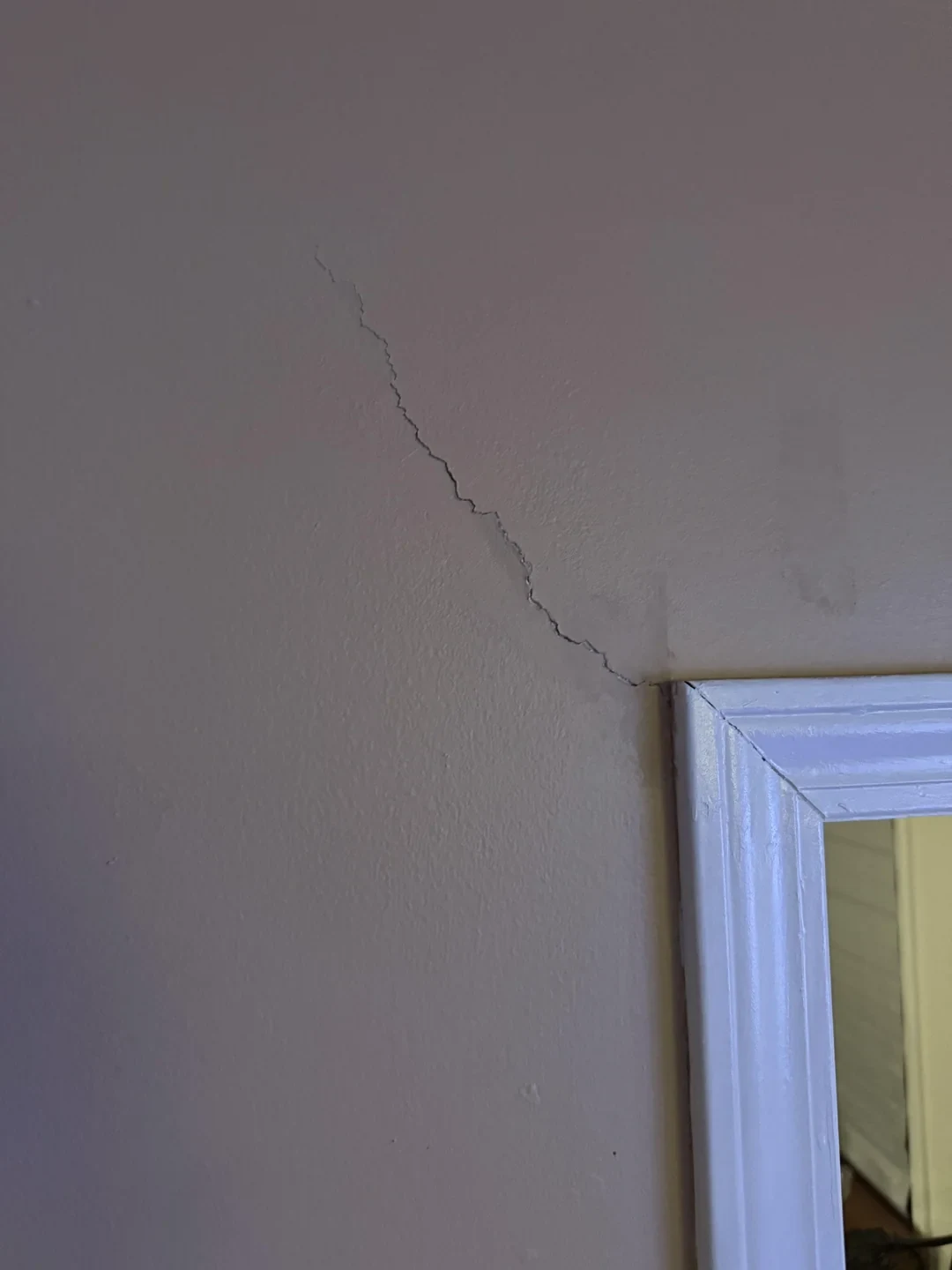
The image shows a noticeable crack running across a wall surface, likely caused by settling or structural stress. The direction and width of the crack suggest that the wall has experienced movement over time.
Three key visual indicators to note are:
A visible linear crack extending across the wall
Slight separation of wall material along the crack line
Uneven edges that suggest ongoing movement
Implementation Guide
Follow these steps to repair a cracked wall safely and effectively:
Clean the crack
Use a damp cloth or brush to remove dust, loose paint, and debris from inside the crack. Let it dry completely.
Widen slightly (if needed)
For very thin cracks, gently widen them with a utility knife so the filler can bond properly.
Apply spackling compound or filler
Use a putty knife to press spackling compound into the crack. Make sure it fills the entire depth.
Smooth the surface
Level the compound so it’s flush with the wall. Feather the edges for a seamless finish.
Allow to dry and sand
Let the compound dry fully, then sand lightly until smooth.
Prime and repaint
Apply primer over the repaired area, then repaint to match the surrounding wall.
The key to a successful repair is addressing the underlying cause.
Learn more about foundation repair
The Practitioner’s Reality Check
The Counter-Intuitive Insight: Many homeowners assume small cracks are purely cosmetic. In reality, even minor cracks can indicate slow foundation movement or moisture issues that worsen over time.
The Common Trap:
Covering cracks with paint alone. This hides the problem temporarily but doesn’t stop the crack from reappearing if the underlying cause remains unresolved.
Frequently Asked Questions
What causes cracks in walls?
Common causes include foundation settling, temperature changes, moisture damage, poor construction, and structural stress.
Can I repair a cracked wall myself?
Hairline and small cracks can be repaired using spackling compound. Large or growing cracks should be inspected by a professional.
How do I prevent cracks in walls?
Maintain proper drainage, fix water leaks, stabilize foundations, and perform regular wall inspections.
What are the signs of structural damage?
Cracks wider than 1/8 inch, stair-step cracks in brick, sagging walls, sticking doors, and uneven floors.
When should I call a professional?
If cracks are large, expanding, horizontal, or accompanied by other structural issues.
Can I use caulk to repair a cracked wall?
Caulk is not ideal for wall cracks because it doesn’t harden properly and won’t prevent recurring cracks.
Expert Citations
According to the National Association of Home Builders, foundation problems can cost homeowners up to $10,000 to repair (2024).
A study by the American Society of Civil Engineers found that 75% of homes have some form of foundation damage (2025).
The Federal Emergency Management Agency (FEMA) recommends regular inspections to prevent and mitigate foundation damage (2026).
Conclusion
Cracked walls may seem minor, but they can signal deeper issues if ignored. By properly cleaning, filling, and finishing small cracks—and addressing moisture or foundation problems—you can protect your home’s structure and appearance.
The Bottom Line: Early detection and repair of wall cracks can save thousands in future repair costs while preserving your home’s safety, value, and visual appeal.
Repair Insights
Keywords: wall crack repair, DIY wall crack repair, wall cracks causes, home maintenance tips, structural damage prevention, wall patching materials, repair cracked plaster, how to fix wall cracks