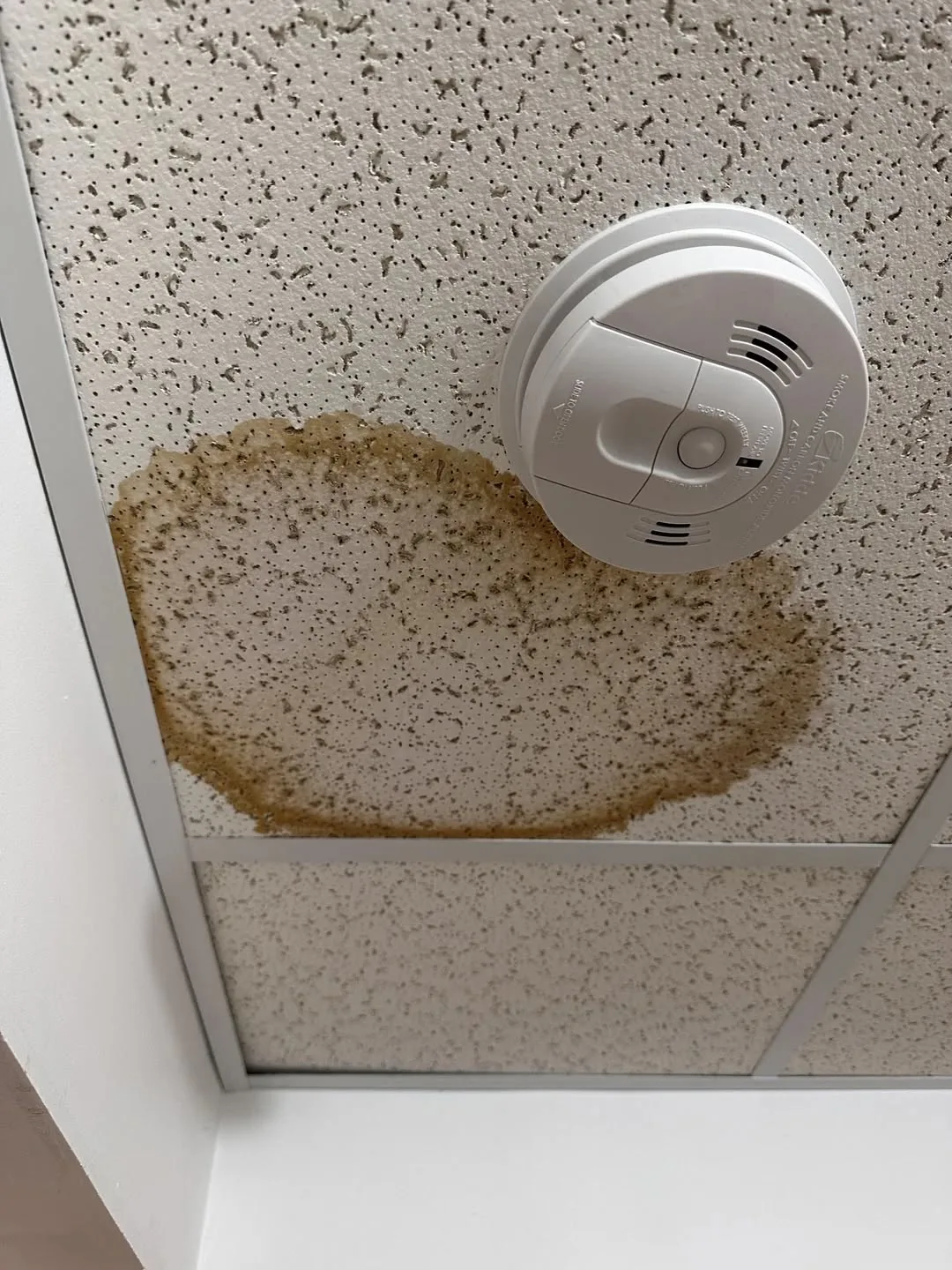
Water Stain Removal from Ceilings: A Step-by-Step Guide
To remove water stains from ceilings, first identify and fix the leak source, then clean the stained area with a bleach-water solution (1:3 ratio). After the area dries completely, apply a stain-blocking primer followed by ceiling paint. For minor stains on white ceilings, a specialized aerosol stain blocker like Zinsser Cover Up can eliminate the need for full repainting.
Understanding the Causes of Water Stains on Ceilings
Before you can effectively remove a water stain, you need to understand where it's coming from. Water stains on ceilings can be caused by various factors, including:
* Roof leaks
* Plumbing issues
* HVAC condensation
* Poor ventilation
Understanding the cause of the stain is crucial to preventing future occurrences. The most common cause of water stains is a roof leak.
Roof Leaks
Damaged, missing, or cracked shingles allow water infiltration during rainstorms. Stains around ceiling edges might indicate gutter leaks, while stains under known vents or other roof penetrations suggest compromised flashing. Roof leaks are the most common source of ceiling water damage, particularly in homes over 20 years old. In my experience, roof leaks are often the primary culprit. When I inspected a property with recurring water stains, I discovered that the issue was due to a damaged roof tile. Fixing the leak is essential to preventing further damage. Look for: Stains on top-floor ceilings, especially after heavy rain, or near chimneys and skylights.Plumbing Issues
Burst pipes, slow drips, or leaking fixtures from bathrooms or kitchens above can cause ceiling stains. Water can travel before showing up as a stain, so the leak may not be directly above the spot. Look for: Stains directly beneath bathrooms, kitchens, or laundry rooms, and sudden spikes in your water bill.HVAC Condensation
Air conditioning units and ductwork can produce condensation that drips onto ceilings, especially in humid climates or poorly ventilated spaces. Look for: Stains that appear during summer months or in rooms with poor air circulation.Poor Ventilation
High humidity in bathrooms, kitchens, or attics can cause moisture buildup. When warm, moist air contacts cooler ceiling surfaces, condensation forms and can leave stains over time. Look for: Lighter stains with visible mold or mildew, dampness around the affected area, and rooms without proper ventilation.Methods for Removing Water Stains from Ceilings
To remove water stains from ceilings, follow these steps:
For more information on water damage repair, check out our article on [water damage restoration techniques](link).
Step 1: Fix the Source First
Identify and fix the source of the leak: Before attempting to remove the stain, ensure that the source of the leak has been identified and repaired. This cannot be overstated—treating the stain without fixing the leak is like mopping while the faucet's still running. For roof issues, call a professional roofer. For plumbing leaks, contact a licensed plumber. Attempting major repairs yourself can lead to bigger problems and void warranties.Step 2: Assess the Damage
Before cleaning, examine the ceiling material carefully: * Minor staining only: Proceed with cleaning methods below * Bubbling, sagging, or soft spots: The drywall is damaged and needs replacement * Large cracks or holes: Professional repair required * Visible mold growth: May need professional remediation Wait until the ceiling is completely dry before proceeding. Working on damp drywall will trap moisture and cause recurring stains.Step 3: Choose Your Cleaning Method
The key to successful stain removal is using the right cleaning solution. The Bleach-Water Method (Most Effective) A mixture of bleach and water applied carefully can remove water spots on a ceiling, leaving it looking like you never had a water leak at all. This method works for approximately 95% of water stains. What you'll need: * 1 part household bleach * 3 parts warm water * Spray bottle * Protective gear (gloves, goggles, mask) * Drop cloths * Ladder Process: 1. Protect your floor with drop cloths and ensure good ventilation 2. Put on protective gear 3. Mix the bleach solution in a spray bottle 4. Spray the stained area without oversaturating 5. Wait 10-15 minutes 6. Repeat 5-6 times until the stain disappears 7. Let dry completely between applications The Vinegar Solution (Eco-Friendly Alternative) Vinegar, with its acidic properties, acts as a natural cleaning agent, breaking down and dissolving stains. What you'll need: * Equal parts white vinegar and water * Spray bottle or sponge * Protective gear Process: 1. Mix equal parts vinegar and water 2. Spray or apply with a sponge to the stained area 3. Let sit for 10-15 minutes 4. Wipe gently from edges inward 5. Rinse with clean water 6. Dry thoroughly Always test a small area first to ensure the solution doesn't damage the ceiling material. Commercial Stain Removers For stubborn stains, commercial products formulated specifically for mold and water stain removal can be effective. Follow manufacturer instructions carefully and always work in well-ventilated areas.Step 4: Apply a Stain-Blocking Primer
Apply a stain-blocking primer: Once the stain is removed or cleaned, apply a stain-blocking primer to prevent future stains and provide a uniform surface. Oil-based or shellac-based primers work best for blocking water stains. Apply evenly with a brush or roller, following the product's drying time recommendations. Interior latex paints are water-soluble and not the best choice to apply over water stains without primer.Step 5: Paint the Ceiling
Paint the ceiling: Finally, paint the ceiling with a coat of paint that matches the original color. Choose ceiling-specific paint with mold and mildew resistance. For best results: * Apply thin, even coats * Allow proper drying time between coats (typically 2-4 hours) * Apply 2-3 coats for complete coverage Pro Tip: If your ceiling is standard white, products like Zinsser Cover Up, an aerosol with a vertical nozzle that sprays upward, contains both stain blocker and touch-up paint in one, making it ideal for quick fixes without full repainting.Comparing Your Cleaning Options
| Cleaning Solution | Best For | Effectiveness | Time Required | Cost |
|---|---|---|---|---|
| Bleach-Water Spray | Most stains, white ceilings | 95% success rate | 1-2 hours (multiple applications) | $5-10 |
| Vinegar Solution | Light stains, eco-conscious homeowners | 70-80% success rate | 30-60 minutes | $3-8 |
| Commercial Removers | Stubborn stains with mold | 85-90% success rate | 1-2 hours | $15-30 |
| Stain-Blocking Aerosol | Quick touch-ups, white ceilings | 90% success rate | 10-15 minutes | $12-20 |
| Full Prime & Paint | All stain types, guaranteed coverage | 100% success rate | 4-6 hours | $30-60 |
Preventing Future Ceiling Water Stains
Prevention is always cheaper than repair. Here's how to keep your ceilings stain-free.
Regular Maintenance Checklist
Annually: * Inspect your roof for damaged, missing, or worn shingles * Check flashing around chimneys, vents, and skylights * Clean gutters and downspouts * Inspect attic for signs of moisture or leaks Seasonally: * Check visible plumbing for leaks or corrosion * Inspect ceiling areas prone to condensation * Test HVAC drain lines and condensate pans * Ensure bathroom and kitchen exhaust fans work properly After Storms: * Look for new ceiling stains or discoloration * Check attic spaces for water infiltration * Inspect areas around roof penetrationsImprove Ventilation
Install or upgrade exhaust fans in bathrooms and kitchens to reduce moisture buildup. Consider using a dehumidifier in naturally humid spaces like basements or during summer months.Address Small Issues Immediately
That tiny discoloration might seem insignificant now, but water damage compounds quickly. Investigate and fix small stains before they become major problems. Regularly inspect your ceiling for signs of water damage to prevent long-term issues.When to Call a Professional
While many ceiling water stains can be DIY projects, some situations require professional help:
* Extensive damage: Sagging, bubbling, or soft ceiling material
* Mold presence: Visible mold growth or musty odors
* Unknown source: Can't locate where water is entering
* Recurring stains: Stains return after treatment
* Safety concerns: High ceilings requiring special equipment
Professional contractors have specialized tools, materials, and expertise to handle complex water damage situations safely and effectively.
Common Mistakes to Avoid
Painting over wet stains: Always ensure complete dryness before treating stains. Trapped moisture will cause the stain to reappear and can promote mold growth.
Skipping primer: Interior latex paints are water-soluble and not the best choice to apply over water stains. Always use a stain-blocking primer first.
Ignoring the source: Treating only the symptom without fixing the leak guarantees the stain will return, often with additional damage.
Over-saturating the ceiling: When cleaning, apply solutions carefully to avoid introducing more moisture into already compromised materials.
Using wrong materials: Avoid vinegar on natural stone or certain ceiling tiles. Always test cleaning solutions on inconspicuous areas first.
Conclusion
Water stains on ceilings are more than cosmetic nuisances—they're signals from your home that something needs attention. The good news? With the right approach, most ceiling water stains can be eliminated effectively and affordably.
Remember the three-step formula for success:
1. Find and fix the source to prevent recurrence
2. Clean thoroughly using appropriate methods for your situation
3. Seal and protect with quality primer and paint
By addressing water stains promptly and maintaining your home's vulnerable points, you'll protect both your investment and your peace of mind. That brown spot on your ceiling doesn't have to be permanent—take action today, and you'll have a pristine ceiling that looks like the damage never happened.


