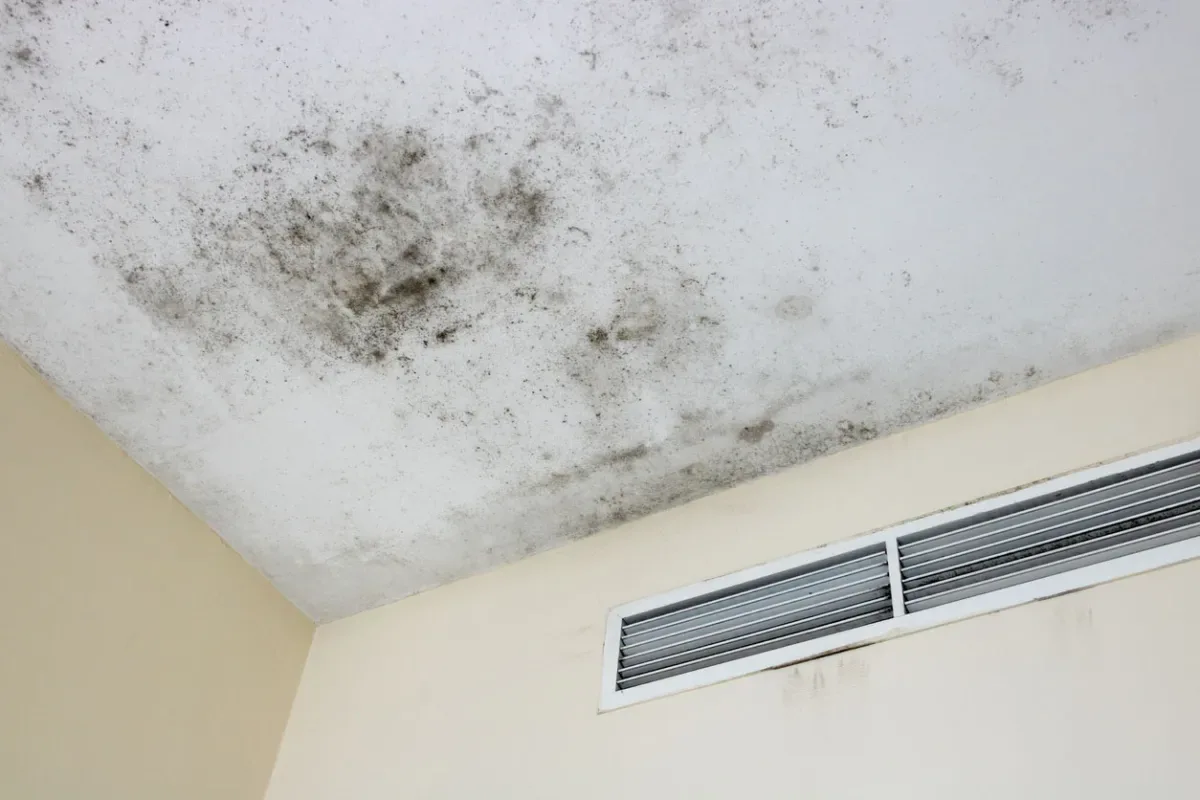
Mold on Bathroom Ceiling
Mold on bathroom ceilings appears as black, green, or pink patches caused by moisture and poor ventilation. To remove it, spray undiluted white vinegar on the affected area, wait 15 minutes, then scrub with a brush. For stubborn mold, use hydrogen peroxide or a bleach solution (1:10 ratio). Always wear gloves, goggles, and a mask. After cleaning, improve ventilation with exhaust fans, fix any leaks, and apply mold-resistant primer and paint to prevent regrowth.
Understanding Bathroom Ceiling Mold
What Does Bathroom Ceiling Mold Look Like?
Mold appears in several colors and textures: Black mold: The most common type in bathrooms, appearing as dark spots or patches. Can be either Stachybotrys (toxic black mold) or the less dangerous Cladosporium. Green mold: Often appears fuzzy or slimy. Common types include Aspergillus and Penicillium. Pink mold: Actually a bacteria called Serratia marcescens, not true mold, but treated the same way. White or gray mildew: Appears powdery and stays on the surface rather than penetrating deep. The image shows a bathroom ceiling with visible mold growth, characterized by black and greenish patches. This mold likely resulted from high humidity and inadequate ventilation. The presence of a vent suggests there might be an issue with the ventilation system or its usage.What Causes Mold on Bathroom Ceilings?
Moisture is the primary culprit. Here are the specific causes: Poor ventilation: Inadequate bathroom ventilation is by far the leading cause. Steam from showers rises and condenses on the cool ceiling surface, creating the perfect environment for mold growth. High humidity: Bathrooms naturally have higher humidity than other rooms. When humidity stays above 60% for extended periods, mold thrives. Condensation: When warm, moist air hits your cold ceiling, water droplets form. This dampness eventually seeps into the ceiling material, creating ideal conditions for mold spores. Leaks: Water damage from roof leaks or plumbing issues above the bathroom creates persistent moisture that feeds mold growth. Insufficient drying time: If your bathroom stays damp between uses due to poor airflow, mold has constant access to the moisture it needs.Health Risks of Bathroom Mold
Mold exposure can cause various health problems: * Respiratory issues (coughing, wheezing, difficulty breathing) * Allergic reactions (sneezing, runny nose, itchy eyes) * Asthma attacks in those with existing asthma * Skin irritation and rashes * Headaches and fatigue * More serious issues for those with compromised immune systemsWhen to Call a Professional
How to Remove Mold from Bathroom Ceiling
Safety First: Protective Gear
Always wear protective equipment before cleaning mold: * N-95 respirator mask or dust mask * Non-porous rubber gloves * Safety goggles or protective eyewear * Old clothes you can wash immediately after * Consider long sleeves to protect skinPreparation Steps
Set up your workspace: 1. Open windows and turn on exhaust fans for ventilation 2. Close doors to other rooms to prevent spore spread 3. Place a washable cloth or drop cloth below the work area 4. Use a stepladder if needed—have someone steady you 5. Remove or cover any items that could be affectedMethod 1: White Vinegar (Most Effective for Drywall)
Vinegar kills mold more effectively than bleach on porous surfaces like drywall, destroying it down to the roots rather than just treating the surface. What you need: * Undiluted white distilled vinegar * Spray bottle * Soft-bristled brush or sponge * Clean water * Microfiber cloths Process: 1. Pour undiluted white vinegar into a spray bottle 2. Spray the entire ceiling, not just visible mold spots (catches invisible spores) 3. Let vinegar sit for at least 15 minutes, up to 1 hour for stubborn mold 4. Scrub the mold with a soft-bristled brush in circular motions 5. Wipe clean with a damp cloth 6. Spray vinegar again lightly and let air dry 7. Dispose of all cleaning cloths in sealed bags Pro tip: For extra stubborn mold, leave vinegar on overnight before scrubbing.Method 2: Hydrogen Peroxide (3%)
Hydrogen peroxide is anti-fungal, anti-viral, and anti-bacterial, making it highly effective against mold. Process: 1. Test a small, inconspicuous area first to ensure no discoloration 2. Pour 3% hydrogen peroxide into a spray bottle 3. Spray generously on moldy areas 4. Let sit for 10-15 minutes 5. Scrub with a brush 6. Wipe clean with a damp cloth 7. Repeat if necessaryMethod 3: Bleach Solution (For Non-Porous Surfaces Only)
Important note: Bleach does not kill mold on porous surfaces like drywall or grout—use vinegar or hydrogen peroxide instead. If your ceiling is painted with semi-gloss or has a non-porous coating: Process: 1. Mix 1 part bleach to 10 parts water 2. Ensure excellent ventilation—bleach fumes are dangerous 3. Apply with a sponge or spray bottle 4. Let sit 5-10 minutes 5. Scrub and rinse thoroughly with clean water 6. Never mix bleach with vinegar or other cleaners (creates toxic fumes)After Cleaning: Prevent Regrowth
Once you've removed visible mold: 1. Let the area dry completely (24-48 hours with fans running) 2. Apply stain-blocking primer designed for mold stains (two coats recommended) 3. Paint with mold-resistant paint specifically formulated for bathrooms 4. Address the moisture source (fix leaks, improve ventilation) [Bolded core takeaway]: Addressing the root cause of moisture is crucial for effectively eliminating mold and preventing its return. Cleaning alone won't solve the problem if conditions remain favorable for mold growth.Preventing Mold from Coming Back
Improve Ventilation
Use exhaust fans properly: Run a properly sized bathroom exhaust fan during and after showers to vent humid air outside—continue running for 20 minutes after you finish showering. Open windows and doors: Crack a window or leave the bathroom door slightly open while showering to allow steam to escape. Install or upgrade fans: If your bathroom lacks an exhaust fan, install one. If you have one that doesn't work well, upgrade to a more powerful model. Check fan functionality: Clean or replace fan filters regularly and ensure the fan actually vents outside (not into the attic).Control Humidity
Wipe down wet surfaces: Use a squeegee or towel to dry shower walls, mirrors, and windows after use. Use a dehumidifier: In bathrooms with persistent humidity problems, run a small dehumidifier to maintain humidity below 60%. Monitor humidity levels: Install a hygrometer to track bathroom humidity and take action when it climbs too high.Fix Leaks Immediately
Repair any water intrusion as soon as possible: * Roof leaks * Plumbing leaks * Pipe condensation * Faulty caulking around tubs and showersRegular Cleaning and Maintenance
Clean regularly: Wipe ceilings monthly with vinegar solution to prevent mold from establishing. Inspect for early signs: Check for discoloration, musty smells, or slight mold growth and address immediately. Use mold-resistant products: Install mold-resistant drywall, paint ceilings with mold-resistant paint, and use caulk with mildewcide.Improve Insulation
Proper insulation prevents condensation by keeping ceiling surfaces warmer: * Insulate attic spaces above bathrooms * Seal drafts and air leaks * Ensure adequate insulation in exterior wallsThe Practitioner's Reality Check
Frequently Asked Questions
What causes mold on bathroom ceilings?
Mold on bathroom ceilings is primarily caused by moisture accumulation from poor ventilation, condensation, leaks, or high humidity. Steam from showers rises, condenses on the cool ceiling, and creates dampness that allows mold spores to grow.
How can I remove mold from my bathroom ceiling?
Spray undiluted white vinegar on the moldy area, wait 15 minutes to 1 hour, then scrub with a soft brush and wipe clean. Alternatively, use 3% hydrogen peroxide following the same process. Always wear protective gear including gloves, goggles, and a mask.
How can I prevent mold from growing on my bathroom ceiling?
Run exhaust fans during and 20 minutes after showers, open windows for ventilation, wipe down wet surfaces after use, fix leaks promptly, maintain humidity below 60%, and use mold-resistant paint on ceilings.
Is mold on the bathroom ceiling a health risk?
Yes, mold can pose significant health risks including respiratory issues, allergic reactions, asthma attacks, skin irritation, and more serious problems for those with compromised immune systems. Address mold promptly to minimize exposure.
Can I use bleach to kill mold on my bathroom ceiling?
Bleach is ineffective on porous surfaces like drywall ceilings because it doesn't penetrate to kill mold roots. Use white vinegar or hydrogen peroxide instead. Bleach only works on non-porous surfaces like tile.
Should I hire a professional to remove mold from my bathroom ceiling?
Hire a professional if mold covers more than 10 square feet, has penetrated into drywall or framing, returns quickly after cleaning, or if you have underlying health conditions. Smaller surface mold patches can be safely removed yourself.
Why does mold keep coming back after I clean it?
Mold returns when the underlying moisture problem isn't fixed. If you're only cleaning surface mold without improving ventilation, fixing leaks, or reducing humidity, you're creating the same conditions that allowed mold to grow initially.
What's the difference between mold and mildew?
Mildew is a surface fungus that appears powdery and white or gray, while mold penetrates deeper and appears as black, green, or pink patches. Both require moisture but mildew is easier to remove and less harmful than mold.
Can I paint over mold?
Never paint over mold without removing it first. The mold will continue growing underneath the paint, eventually causing paint to peel and releasing more spores. Always clean mold completely, let dry, prime with mold-killing primer, then paint.
How long does it take for mold to grow on bathroom ceilings?
Mold can begin growing within 24-48 hours in the right conditions (moisture, warmth, organic material). Visible mold patches typically develop after several days to weeks of persistent moisture exposure.


