Fixes might be blogged to help others — your data stays safe.
How to Remove Hair Dye Stains from Bathroom Surfaces
Published: 1/8/2026
Removing Hair Dye Stains from Bathroom Surfaces: A Proven Approach
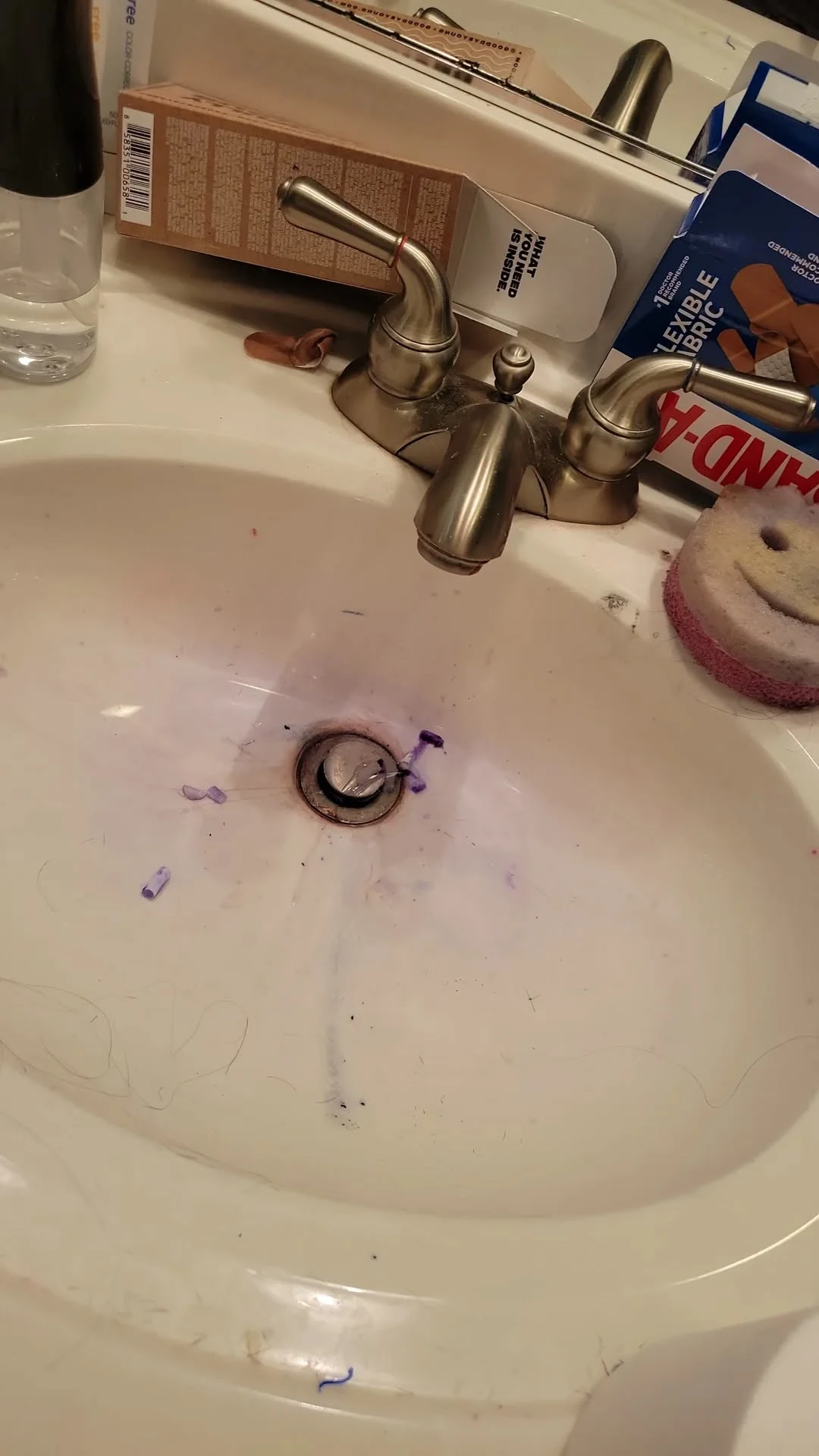
To remove hair dye stains from bathroom surfaces, act quickly: blot fresh dye, then try a gentle paste of baking soda + hydrogen peroxide (apply, wait, scrub, rinse). For porous or delicate surfaces (marble, grout, laminate, quartz), use surface-appropriate cleaners or a poultice approach and always test first in an inconspicuous spot. For stubborn stains, specialty color removers or professional help may be needed.
The Hard Truth: Hair dye stains set fast — but most can be removed if you use the right method for the surface.
Hair dyes contain strong pigments and oxidizers designed to bind to fibers and surfaces. When these chemicals land on bathroom sinks, tubs, countertops, grout or walls, they can look permanent. The good news is that many stains can be lifted or lightened with household ingredients (baking soda + hydrogen peroxide), commercial stain removers, or a surface-specific poultice — provided you act quickly and pick a method that’s safe for your material. This guide covers step-by-step methods, safety tips, and surface-by-surface instructions so you can remove stains without damaging the finish.
First-Responder Steps — what to do immediately
1. Stop and blot. If dye is still wet, blot with paper towels or a cloth — don’t rub, which spreads the pigment.
2. Rinse with cool water. Flush the area to remove excess dye (don’t use hot water — heat can set some dyes).
3. Contain the area. Prevent runoff from dyeing other surfaces (lay down old towels).
4. Work from least-aggressive to most-aggressive. Start with simple soap & water, then try mild paste treatments, and only escalate to stronger chemicals if safe for that material.
These immediate steps often prevent a fresh spill from becoming a long-term stain.
Universal First Method: Baking Soda + Hydrogen Peroxide Paste
This is a gentle, proven starting point that works on many non-porous surfaces (porcelain sinks, enamel tubs, ceramic tile). Mix until paste-like:
* Recipe: 1 Tbsp baking soda + 2 Tbsp 3% hydrogen peroxide (adjust quantity).
* Apply: Spread paste over stain and gently rub with a soft cloth or non-abrasive sponge. For stubborn stains, cover with plastic wrap and tape edges to keep paste moist for 30–60 minutes.
* Rinse & repeat: Rinse with warm water and repeat once or twice if needed.
Why it works: baking soda is a mild abrasive and lift agent; hydrogen peroxide is an oxidizer that breaks down dye molecules. This combination is effective and usually safe for glazed ceramic, porcelain and many tile surfaces.
Surface-by-Surface Guide (what to use where)
Porcelain sinks & enamel tubs
* Start with dish soap + warm water; if that fails, the baking soda + peroxide paste will usually lift dye without scratching the glaze. Use a soft sponge or cloth — avoid steel wool or highly abrasive pads.
Ceramic tile (glazed) & acrylic showers
* Baking soda + peroxide works well. For grout lines try a grout cleaner or a stronger paste; grout pens can hide lingering color if cleaning fails. For grout, commercial grout cleaners or grout pens are practical fallback options.
Laminate & quartz countertops
* Wipe up quickly. Use mild dish soap; if needed, a paste of baking soda + water (gentler than peroxide) or a non-abrasive cleaner. For quartz, avoid harsh acids or bleach — manufacturer guidance recommends mild soap and a microfiber cloth.
Marble, travertine, other natural stone
* Caution: marble is porous and etched by acids. Avoid vinegar, lemon, and aggressive scrubbing. Use a poultice (baking soda + hydrogen peroxide paste applied, covered, and left to draw the stain out) and always test a tiny area first. If stains persist, call a stone specialist.
Painted walls & wood trim
* Act fast: blot, then try dish soap. Isopropyl alcohol or acetone can remove dye on painted surfaces but can dull paint — test first. If the paint is damaged, spot-prime and repaint the area. (Use solvents cautiously; test first.)
Grout
* Grout is porous — try the peroxide + baking soda poultice or a commercial grout cleaner. If color remains, a grout pen or regrouting may be needed.
When to Use a Poultice (porous or set-in dye)
A poultice draws pigments out of porous materials and is often used on marble, grout, or very stubborn stains.
* Make the poultice: thicker paste using baking soda + hydrogen peroxide (or one part water to two parts peroxide for stone, depending on manufacturer advice).
* Apply: Spread over stain to ~1/4–1/2 inch thick, cover with plastic wrap, tape edges, and leave for 12–24 hours.
* Remove & rinse: Once dry, scrape off gently and rinse. Repeat if needed. For delicate stone, consult a stone care pro first.
Commercial Removers & Specialty Products
If household methods don’t work, consider targeted products:
* Color removers marketed for dye spills (search for “dye off” or “hair dye remover” for surfaces) — follow instructions and compatibility guidance.
* Oxi-based cleaners (OxiClean) can lift organic dyes; follow product directions and don’t mix with bleach.
* Grout pens for grout touch-ups if cleaning fails.
Always read product labels and test in a hidden spot before treating the visible area.
Safety & Testing — must-read before you try anything
* Test first: Always try any cleaner or paste on an inconspicuous area. Natural stone and some laminates can etch or discolor.
* Ventilation: Use gloves and ventilate when using peroxide, bleach or commercial solvents.
* Never mix chemicals: E.g., don’t mix bleach with ammonia or hydrogen peroxide. It can create toxic gases.
* When to stop: If you see surface damage, stop immediately and consult a pro.
Prevention: small habits that avoid big stains
* Use petroleum jelly or barrier cream around sinks and tubs when dyeing hair at home — it prevents pigment from sticking.
* Line work areas with old towels or disposable plastic.
* Rinse dye tools and bowls immediately after use.
* Keep a small emergency kit (paper towels, dish soap, hydrogen peroxide and baking soda) handy during hair color sessions. (People also report Clorox wipes removing set dye overnight on some finishes — test first.)
Troubleshooting & When to Call a Pro
* Stain won’t budge after 2–3 treatments: consider a commercial remover or professional cleaning.
* Surface etched or discolored: call a stone restorer for marble/quartz; attempting abrasive scrubbing can make it worse.
* Large spill covering many surfaces: professionals can safely treat and protect multiple materials without cross-damage.
Frequently Asked Questions
What is the fastest way to remove fresh hair dye from a sink?
Blot excess, rinse with cool water, then use a paste of baking soda + hydrogen peroxide; scrub gently and rinse. Repeat if needed.
Can I use bleach to remove hair dye?
Bleach will remove dye on some non-porous white surfaces, but it can discolor colored finishes and damage grout or natural stone. Use bleach only where it’s safe and never mix it with other cleaners.
Will baking soda + peroxide damage marble?
Marble is sensitive; peroxide can lighten stains but can also etch or change the surface if misused. Use the poultice method cautiously and test first; if in doubt, consult a stone pro.
Can I remove dye from grout without replacing it?
Often yes — try a peroxide + baking soda poultice or a commercial grout cleaner; if color is embedded, a grout pen or regrouting may be required.
What if the dye has been sitting for days?
Older, set stains are harder. Use the poultice method and consider a commercial color remover. For valuable stone or laminate, professional help is recommended.


![While You Grind for 10 Years, I Just [Sleep] and Max Out All Skills!](https://i.ytimg.com/vi/blOK3fuKoYw/hqdefault.jpg)
