Fixes might be blogged to help others — your data stays safe.
Fix a Leaky Pipe Fast: Step-by-Step DIY Guide
Published: 1/8/2026
Fixing a Leaky Pipe: A Step-by-Step Guide
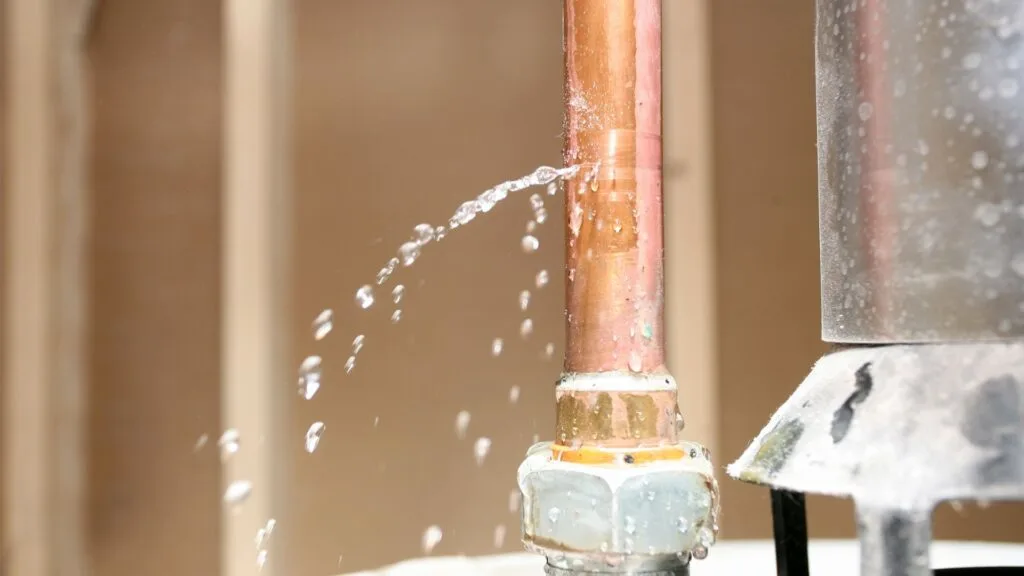
To fix a leaky pipe, first turn off the water supply and locate the source of the leak. Use temporary fixes like plumber’s tape, silicone tape, or a repair clamp for small leaks, and apply epoxy putty or replace the damaged section for a more permanent solution. Act quickly to prevent water damage and mold growth.
Turn Off the Water Supply
The first and most critical step in fixing a leaky pipe is to shut off the water supply to prevent further leakage and water damage. Locate the shut-off valve nearest to the leaking pipe and turn it clockwise until it stops. If you can’t find a local valve, you may need to turn off the main water supply to your home. Once shut off, open a nearby faucet to relieve pressure and drain any remaining water in the line. :contentReference[oaicite:2]{index=2}
Locate the Leak
Before repairing, you need to identify exactly where the water is escaping. Look for signs of moisture, water stains, mineral buildup, or drips along the pipe. Use a flashlight and a dry towel — touching and drying suspected areas helps confirm the water source. Once you’ve pinpointed the leak, mark it with a piece of tape so you can focus your repair efforts. :contentReference[oaicite:3]{index=3}
Temporary Fix
For quick, stopgap measures that buy you time before a permanent repair:
* Plumber’s tape (Teflon tape): Wrap thread joints or connections with high-quality plumber’s tape to seal leaks around fittings. This works best for threaded connections and is easy to apply.
* Self-fusing silicone tape: Stretch and wrap tightly around the leaky area to create a waterproof bond — ideal for low-pressure pipes.
* Pipe repair clamps: Use a rubber patch under a clamp over the leak to stop larger drips temporarily.
Permanent Fix
After stopping the immediate leak, you’ll want a repair that lasts. Here are reliable long-term methods:
Epoxy Putty
Epoxy or pipe putty hardens into a strong seal that can cover small pinholes and cracks. First, dry the pipe surface thoroughly. Knead the epoxy until it’s a consistent color, then press it firmly over the leak area. Allow it to cure fully according to the product instructions before restoring water.
Replace the Damaged Section
If the pipe is badly corroded, cracked, or worn out, the best long-term solution is to replace the damaged section. This involves cutting out the old pipe and installing a new piece using appropriate couplings or fittings. This method is more labor-intensive but prevents recurring leaks.
The Trade-Off Matrix
| Fix Method | Cost | Time | Durability | Best For |
|------------|------|------|------------|----------|
| Plumber’s Tape | Low | Quick | Low | Threaded joints |
| Silicone Tape | Low | Quick | Low–Medium | Small cracks |
| Epoxy Putty | Medium | Medium | High | Small pinholes |
| Pipe Replacement | Medium–High | Longer | Very High | Extensive damage |
Fix Method
Cost
Time
Durability
Best For
Plumber’s Tape
Low
Quick
Low
Threaded joints
Silicone Tape
Low
Quick
Low–Medium
Small cracks
Epoxy Putty
Medium
Medium
High
Small pinholes
Pipe Replacement
Medium–High
Longer
Very High
Extensive damage
The Practitioner’s Reality Check
Fixing a leaky pipe isn’t just about sealing water — it’s about preventing future problems. Many DIY fixes focus only on stopping the leak, but they overlook issues like pipe corrosion, loose fittings, or high internal water pressure which can cause leaks to reoccur. A permanent fix should address both the damage and its root cause.
Common Trap: Homeowners often rely solely on temporary tape solutions and delay proper repairs, leading to more severe damage and higher costs later.
Frequently Asked Questions
What are the common causes of leaky pipes?
Leaky pipes can be caused by corrosion, loose fittings, high water pressure, thermal expansion, or aging materials. Regular inspections can spot these early. ([water-works.co.nz][3])
Can I fix a leaky pipe under a sink myself?
Yes — for accessible leaks under sinks, you can often use tape, epoxy putty, or a clamp for repair. For hidden leaks behind walls or major damage, professional help is recommended.
Is plumber’s tape good for all pipe materials?
Plumber’s tape works best on threaded metal or plastic fittings. It’s not effective for cracks or holes in the pipe body itself.
How long does epoxy putty take to cure?
Epoxy putty curing time varies by product, usually from 30 minutes to a few hours. Always check the manufacturer’s instructions for full waterproof sealing.