Fixing a Hole in the Wall: A Step-by-Step Guide
To fix a hole in the wall, assess the damage, clean the area, apply the right patching material or drywall patch, and sand it smooth. For larger holes, install a drywall patch and blend with joint compound before painting.
Assessing the Hole
Before you begin fixing a hole in the wall, determine its size, location, and wall type. Small dents and nail holes require very different solutions from larger openings. Assess whether the hole is:
* Tiny (nail or tack sized)
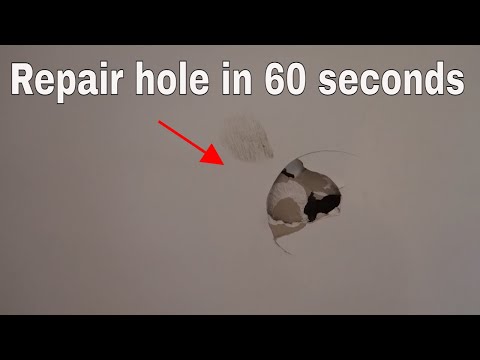
* Small (about the size of a doorknob)
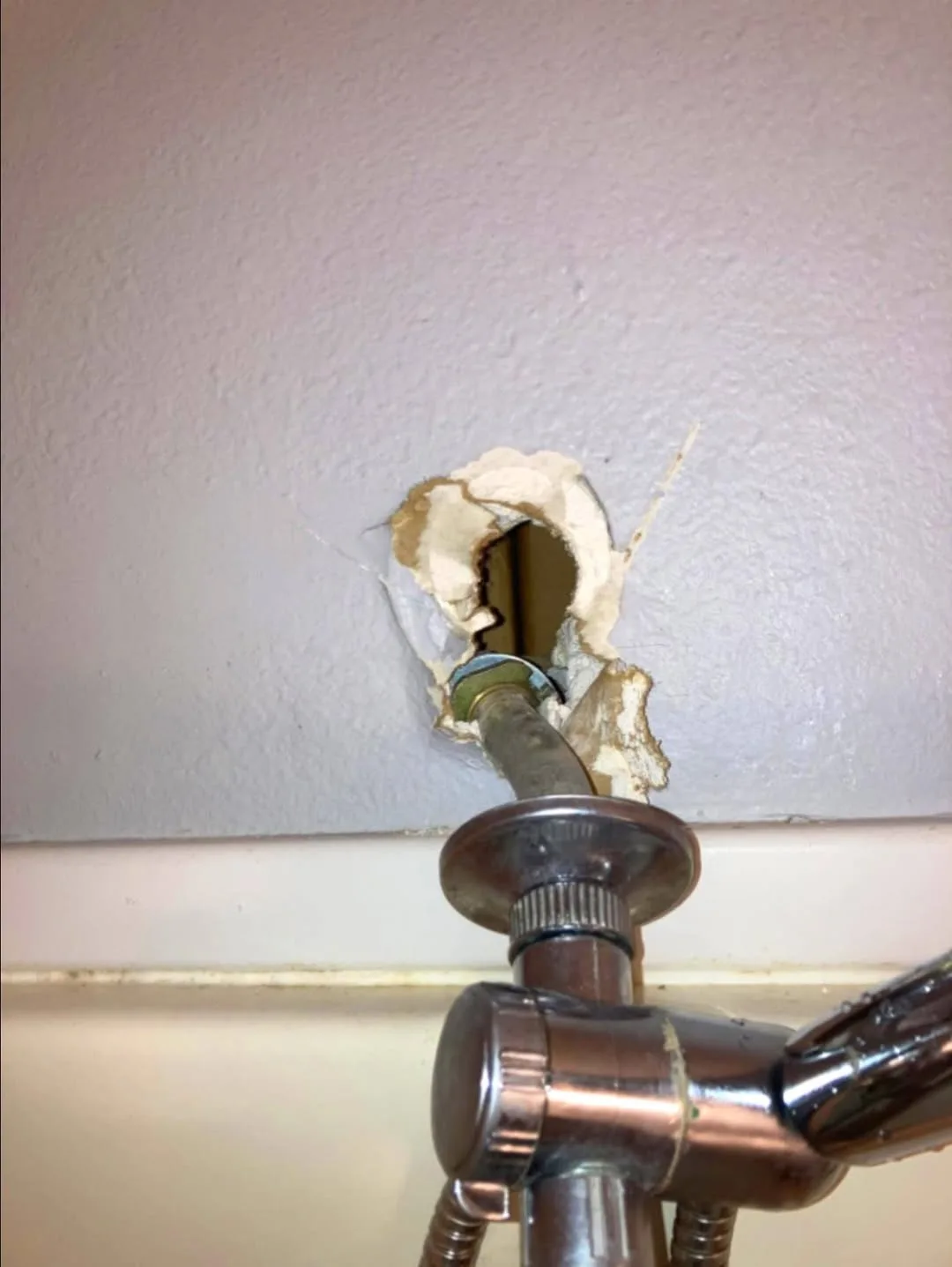
* Large (bigger than a fist or more)
Understanding this helps you choose materials and methods that work best. For example, a tiny nail hole can be fixed with spackling compound alone, while larger holes often need a patch kit or a small piece of drywall.
Types of Walls
Each wall material needs a slightly different repair strategy: * Drywall: Most common in modern homes — easily patched with drywall compound or mesh patches * Plaster: Older homes often use plaster — requires plaster-specific compounds and sometimes layering techniques * Wood: Wooden panels or boards need wood filler or replacement of the damaged woodGathering Materials
Having the right tools and materials makes the job easier and improves the finish. Common materials include:
* Spackling compound or joint compound
* Drywall patch kit (mesh or self-adhesive)
* Drywall tape (for larger repairs)
* Putty knife and taping knife
* Sandpaper or sanding block (120–220 grit)
* Primer and matching paint
* Wood filler (for wooden walls)
For more information on DIY home repairs, check out our article on basic tool kit essentials.
Choosing the Right Materials
For drywall repairs, mesh patch kits work well for medium holes, while scrap drywall with tape and joint compound is best for large openings. Products designed for plaster should be used on plaster walls, as plaster sets differently. Always follow the manufacturer’s instructions for the materials you choose. :contentReference[oaicite:5]{index=5}Step-by-Step Repair Guide
1. Prepare the Area
* Clear debris and loose material from the hole * Wipe the surrounding area clean to ensure good adhesion * Lightly sand any rough edges around the hole2. Fix Small Holes
For nail or small doorknob holes: 1. Apply a thin layer of spackling compound with a putty knife 2. Press the compound into the hole and feather edges outward 3. Let dry completely, then sand smooth 4. Prime and paint over the patched area3. Patch Medium Holes
Medium holes (up to ~6 inches): 1. Place a self-adhesive drywall patch over the hole 2. Cover it with joint compound, spreading outward beyond the patch edges 3. Let it dry, then apply a second thin layer for a smooth surface 4. Sand, prime, and paint4. Repair Large Holes
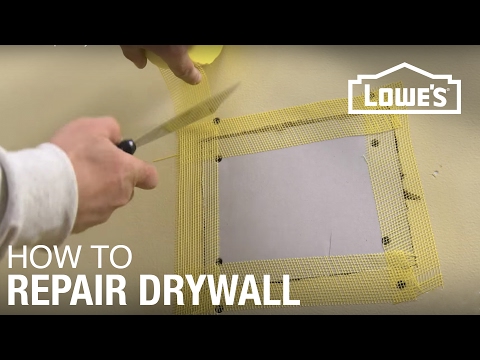
Large holes require more work: 1. Cut the hole into a neat square or rectangle 2. Fit a piece of scrap drywall into the opening 3. Secure backing support (e.g., wooden strips) behind the patch if necessary 4. Apply drywall tape around seams 5. Spread joint compound over the patch, feathering edges 6. Let dry, sand, and apply additional thin coats until smooth 7. Prime and paint to match the wall surface :contentReferenceSanding and Finishing
After the patching material dries, sand gently until the surface is flush with the rest of the wall. Use fine-grit sandpaper and wipe away any dust before painting. Good sanding ensures a professional, seamless finish.Frequently Asked Questions
How do I fix a small hole in the wall?
For small holes, fill with spackling compound, let dry, sand smooth, and paint to blend. ([DIY Playbook][2])
What if the hole is in a load-bearing area?
Structural or load-bearing walls may need professional assessment to ensure safety. Consider hiring a contractor.
Can I use wood filler on drywall?
No — use wood filler for wooden walls and drywall compound or spackling for drywall repairs.
How long does joint compound take to dry?
Drying time varies by thickness; thin coats may dry in a few hours, while thicker applications can take up to 24 hours.