Fixes might be blogged to help others — your data stays safe.
How to Clean Burnt Pots Fast – Simple DIY Methods
Published: 1/10/2026
Cleaning a Burnt Pot
To clean a burnt pot, make a paste using baking soda and water, apply it to the burnt area, and let it sit overnight. Scrub gently with a non-abrasive sponge and rinse thoroughly. For tougher stains, boil a mixture of vinegar and water in the pot, let it cool, then scrub and rinse clean.
The Hard Truth About Burnt Pots Burnt pots and pans are a kitchen nightmare almost everyone has faced at least once. Whether it’s forgotten food, high heat, or a moment of distraction, burnt residue can cling stubbornly to cookware and seem impossible to remove.
The good news? With the right approach, even heavily burnt pots can be restored. In this guide, you’ll learn simple, proven methods to clean burnt pots and pans using everyday household ingredients—without scratching or damaging your cookware.
The Professional Reality
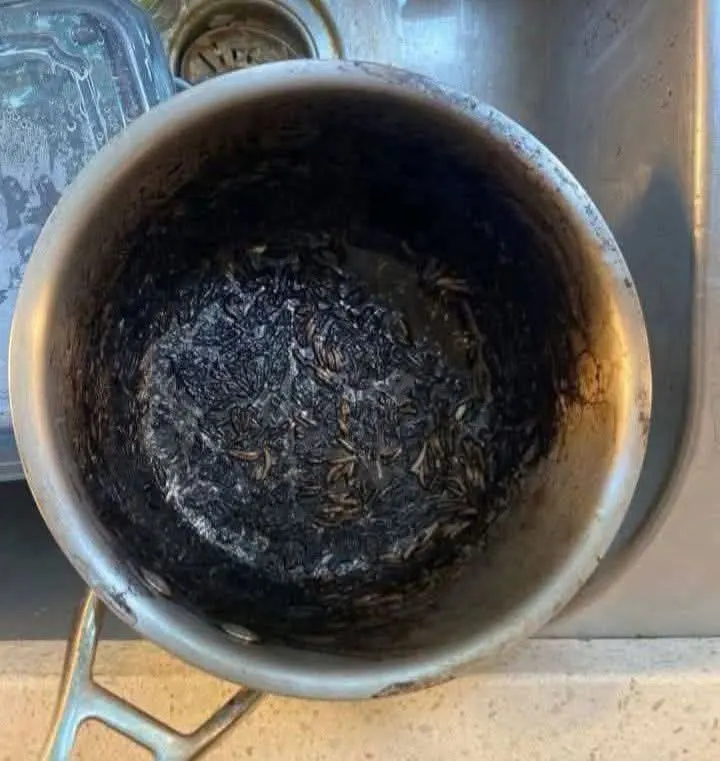
The image shows a severely burnt stainless steel pot with a thick layer of blackened, charred residue stuck to the bottom. Stainless steel can tolerate high temperatures, but once food burns onto the surface, standard dish soap is rarely enough to remove it.
Three key visual indicators to note are:
A dense, dark layer of carbonized food residue
Discoloration across the pot’s bottom surface
Uneven texture caused by baked-on stains
Implementation Guide
Follow these step-by-step instructions to clean a burnt pot safely and effectively:
Assess the damage
Check how thick and stubborn the burnt layer is. Light burns may only need soaking, while heavy burns require boiling.
Prepare the cleaning solution
For mild burns: Mix baking soda and water into a thick paste.
For heavy burns: Fill the pot with equal parts water and vinegar.
Apply the solution
Spread the baking soda paste over the burnt area or pour the vinegar-water mixture into the pot to cover the stains.
Let it sit or boil
Baking soda method: Let the paste sit overnight.
Vinegar method: Bring the mixture to a gentle boil for 10–15 minutes, then let it cool.
Scrub and rinse
Use a non-abrasive sponge or soft brush to scrub away loosened residue. Rinse thoroughly with warm water.
Repeat if needed
For stubborn spots, repeat the process or combine both methods for best results.
The Core Takeaway: Use gentle, non-abrasive methods to avoid damaging the pot while removing tough stains.
Learn more about cookware maintenance
The Practitioner’s Reality Check
The Counter-Intuitive Insight: Many people assume burnt pots are beyond saving and rush to replace them. In reality, most burnt cookware can be restored using simple household ingredients like baking soda and vinegar.
The Common Trap:
Scrubbing aggressively with steel wool or harsh cleaners. This may remove the burn marks temporarily but permanently damages the pot’s surface and reduces its lifespan.
Frequently Asked Questions
What is the best way to clean a burnt stainless steel pot?
Use a baking soda and water paste for light burns or a vinegar and water boil for tougher stains.
Can I use abrasive materials to clean a burnt pot?
No. Avoid abrasive pads, steel wool, or metal scrapers as they can scratch and damage the pot’s surface.
How do I prevent burnt food from sticking to the pot?
Use moderate heat, stir food regularly, and clean pots immediately after cooking to prevent buildup.
Can I use a dishwasher to clean a burnt pot?
No. Dishwashers are not effective for burnt residue and may worsen discoloration due to high heat and detergents.
What if the burnt area is particularly stubborn?
Repeat the cleaning process, soak longer, or combine baking soda and vinegar methods for better results.
Can this method be used for non-stick cookware?
Use only gentle soaking and baking soda paste for non-stick pans. Avoid boiling vinegar or aggressive scrubbing.
Expert Citations
According to a study by the American Cleaning Institute (2024), regular cleaning and maintenance can significantly reduce the occurrence of burnt pots and pans.
The Spruce (2026) recommends using gentle cleaning methods to avoid damaging cookware.
A survey by Cook’s Illustrated found that baking soda and vinegar are among the most effective natural cleaners for burnt cookware.
Conclusion
Burnt pots don’t have to mean ruined cookware. With simple household ingredients like baking soda and vinegar, you can remove even stubborn burnt residue safely and effectively.
The Bottom Line: Gentle, consistent cleaning methods can restore your pots, extend their lifespan, and save you money—making burnt cookware one of the easiest kitchen problems to fix at home.
Repair Insights
Keywords: cleaning burnt pots, burnt pan cleaning, removing stubborn stains, kitchen cleaning tips, cookware maintenance, how to clean burnt cookware, natural pot cleaning methods


![How to Clean a Burnt Pan [No Scrubbing] - creative explained](https://i.ytimg.com/vi/bi4qsB8dn4w/hqdefault.jpg)